My Mother’s Voice

Mom and Me

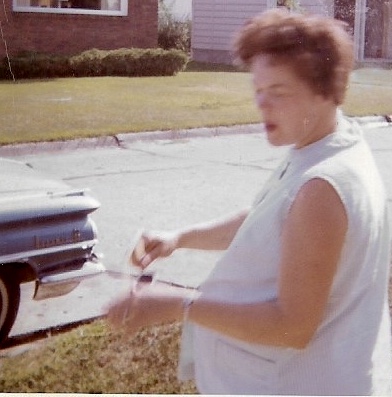
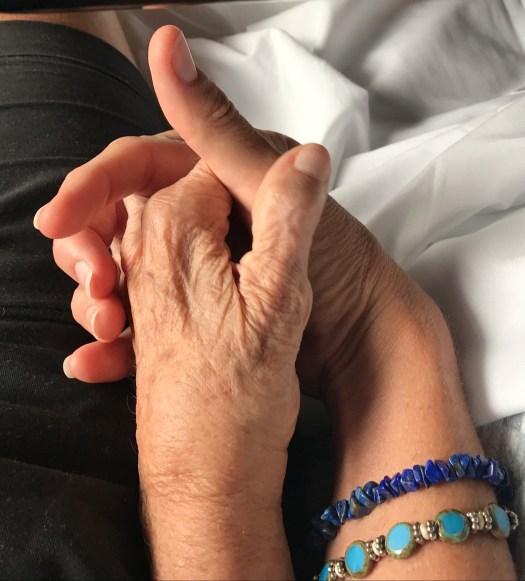
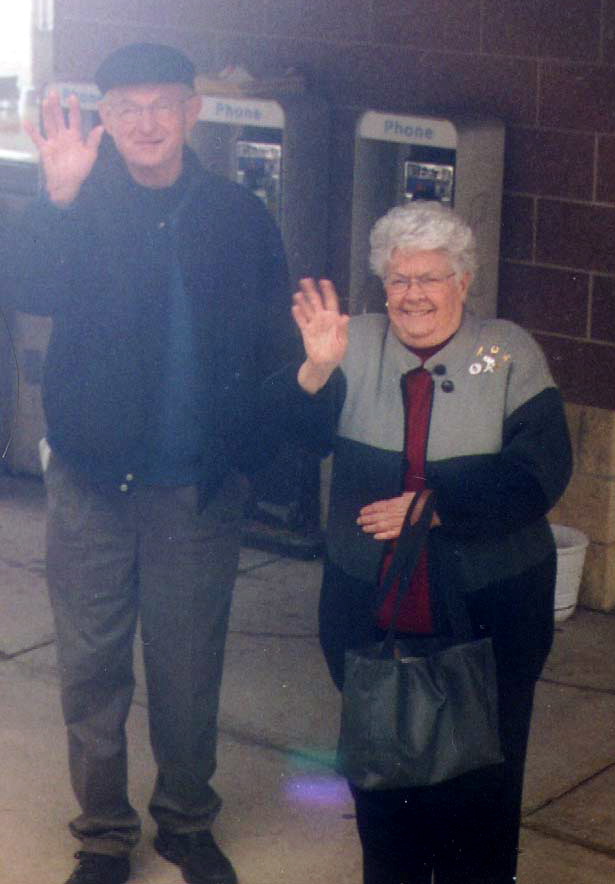
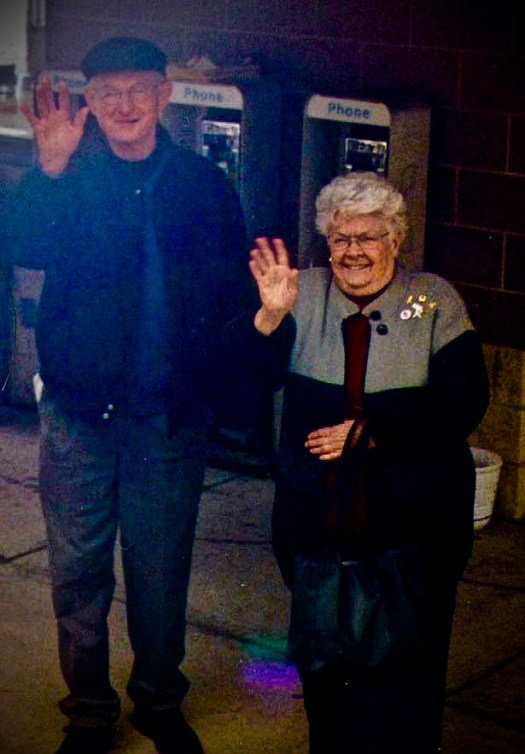
I hear my mother’s voice less these days and feel like I am missing pieces of heart and gut, those parts from where I instinctively reach for her. I am a spinning top as my lifelong conversation with her trails off. “Speech will go next” one of her caretakers told my sisters and me last week, without mention of if and when. The only home phone number I’ve known no longer reaches her. I call the Memory Care Unit where she is a resident and the nurse takes the phone to wherever she has cruised in her wheelchair. Her brain will let her process one or two sentences at a time, and respond in kind. We share the most important ones: “I love you, I miss you, Lots of hugs and kisses.” When I look at this mosaic of photos, her voice throughout the years still speaks in my heart, where it will always live.

“Be brave” she looked in my eyes and told me when I left for Spain from the hospital where I stayed with her and dad for two weeks after his stroke.

“What else are you going to be?” she demanded when I called from thousands of miles away, in tears, asking, “Do you mean I should be nice to her?”

“Who is he, God?” she set me straight when I once worried that my father might never respect me again.

“I know my daughter, and I can tell by her eyes she is telling the truth,” she stood up for me, squeezing my trembling hand in front of the accuser.

“Whatever you decide, just always know that you can always come home,” I heard much more often than once.

“It will be different every day,” is what she told me about motherhood.

“I am not leaving here until that baby comes home from the hospital,” she told my dad in Atlanta, after the birth of my son who needed to stay ten days in the nursery.

“I just wish I could have been in there holding your hand and getting you out of all of those troubles” she told me after reading a memoir I wrote.

“Don’t give up praying for what you want, honey,” she made me smile with those words a few weeks ago.

Mom sang “You Are My Sunshine” and the “A, B, Cs”  as she rocked babies, and hummed as she worked, and she always cooed to birds and children. (She could also slay a person with a word or two.)

Last week, thanks to the nurse who helped her call me, I answered the phone and heard her, “Marianne?”–and my entire body jolted in recognition of what I thought was long lost, tears rising to my eyes.

“Get some pictures of yourself with that baby” she said twenty years ago, after watching me behind the camera when my son was a newborn, so I marched out to the back yard and insisted upon this one below, among others.

Today I thought about how seeing one’s child happy might be the best happiness. I did not know when I had a child how much my future happiness would depend on his. Nor did I know how difficult it can be for a child to be happy when his or her mother is unhappy.

“Nobody knows until they know,” Mom says that, too.

At the most critical moments of my life, her voice calls forth her–and my–love, bravery, dignity, and decency.  So though I think I am losing it, I have it.

“We had a good time, honey, didn’t we?” she said after a recent visit. Those are the words I hold closest to my heart for now.

Constellations

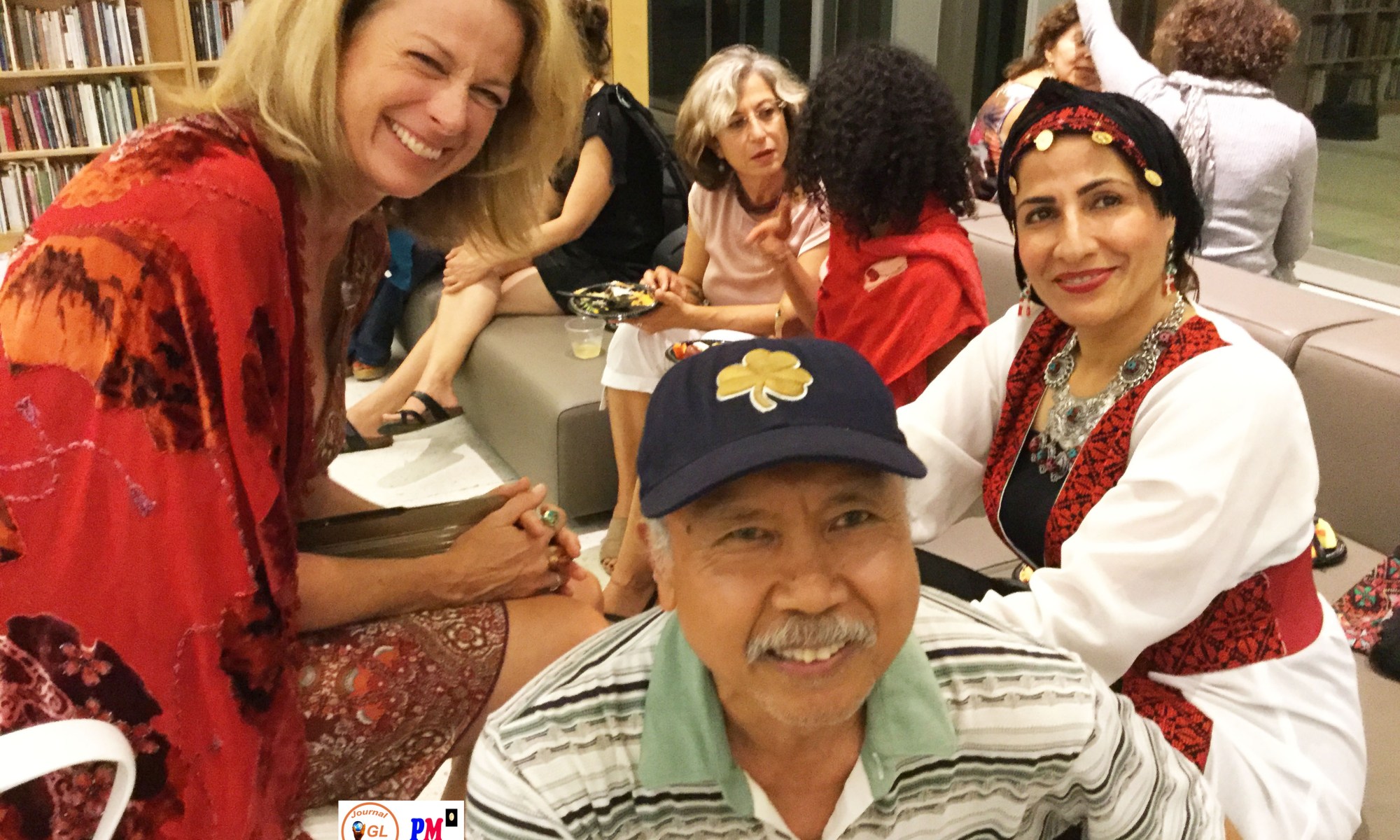
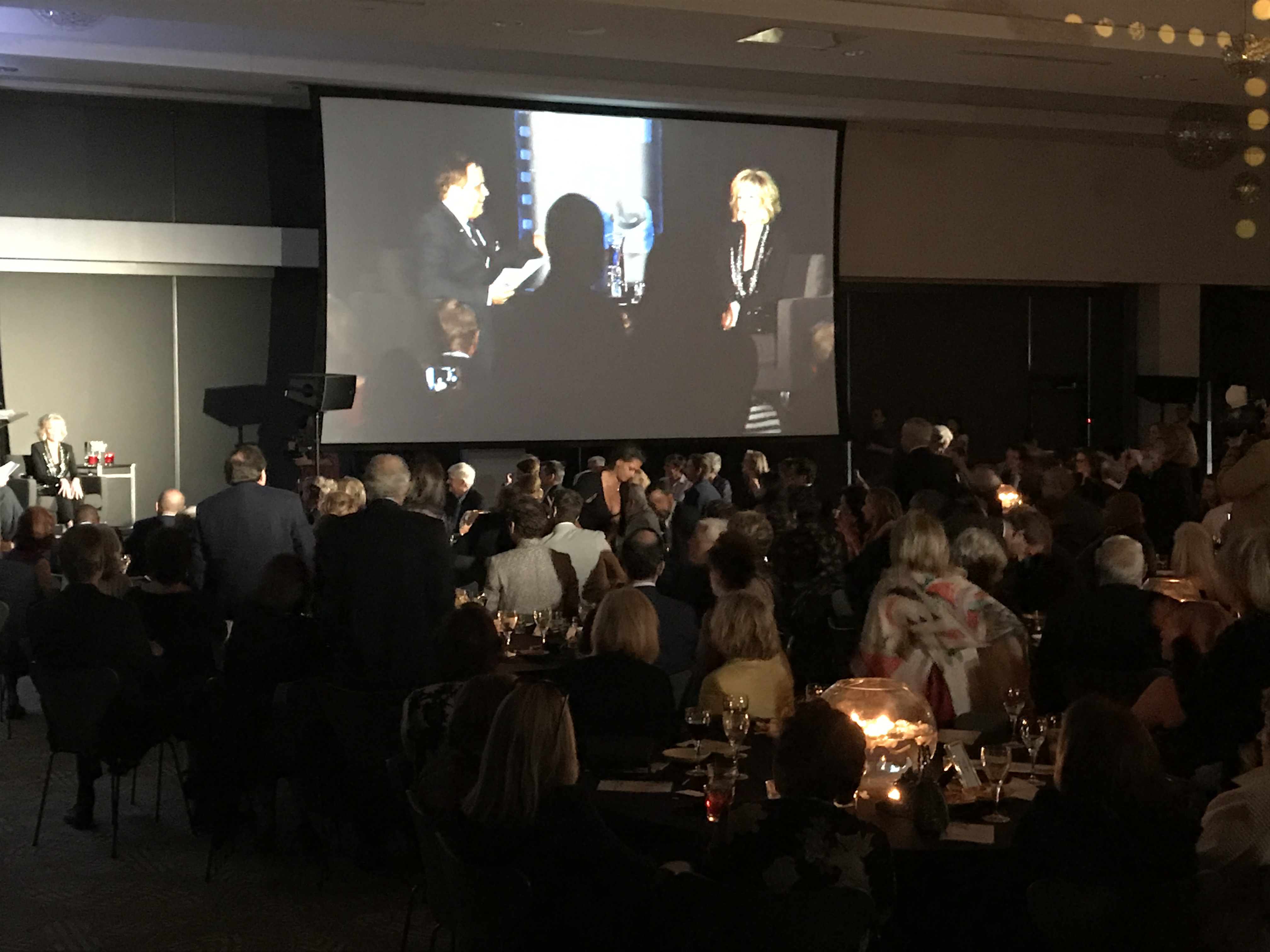
Photo by Marlon L. PecsonMarianne Maili, Joseph Lariosa, Fateena Alghorra, at The Poetry Foundation, 61 West Superior, Chicago.
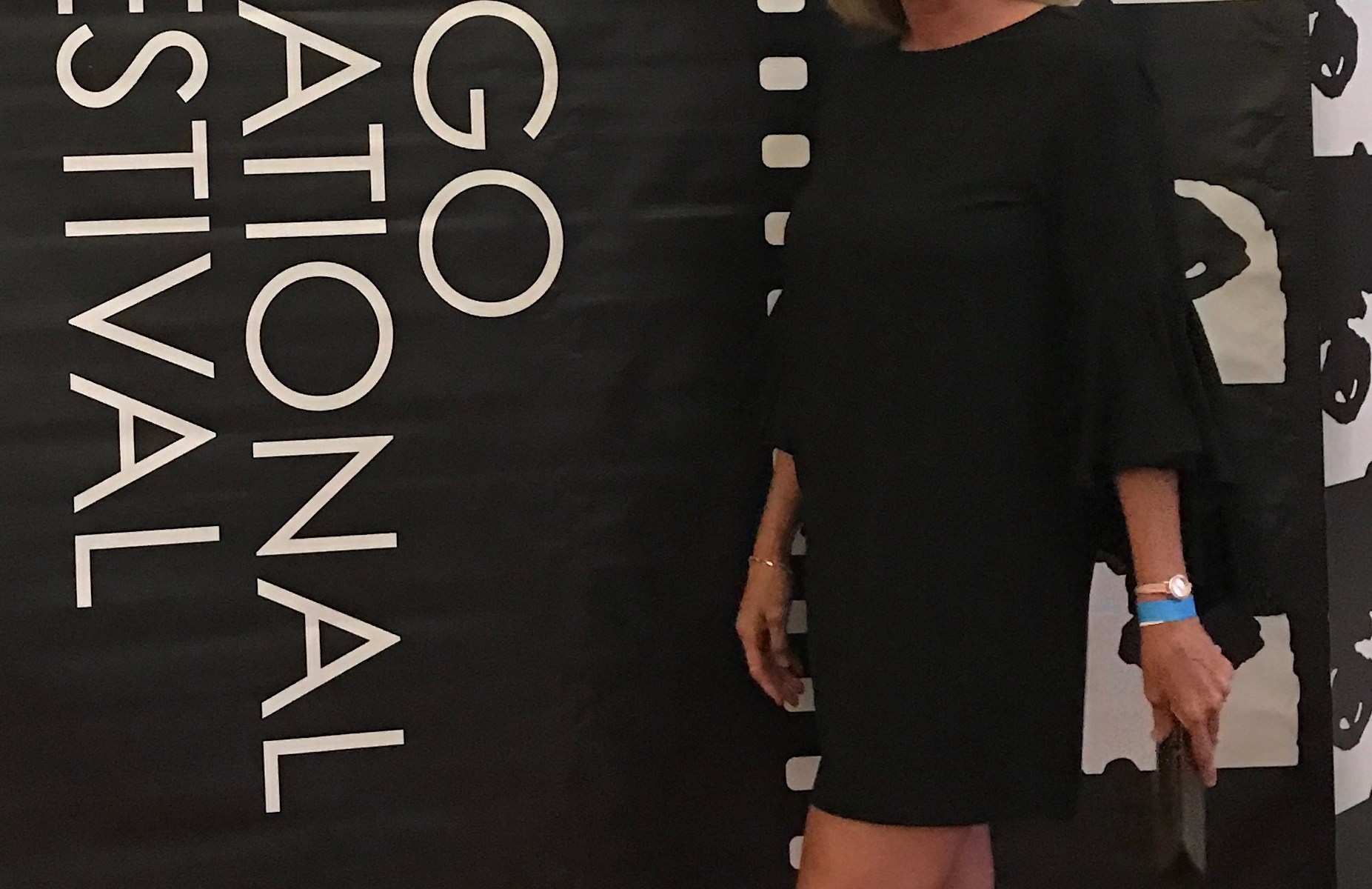
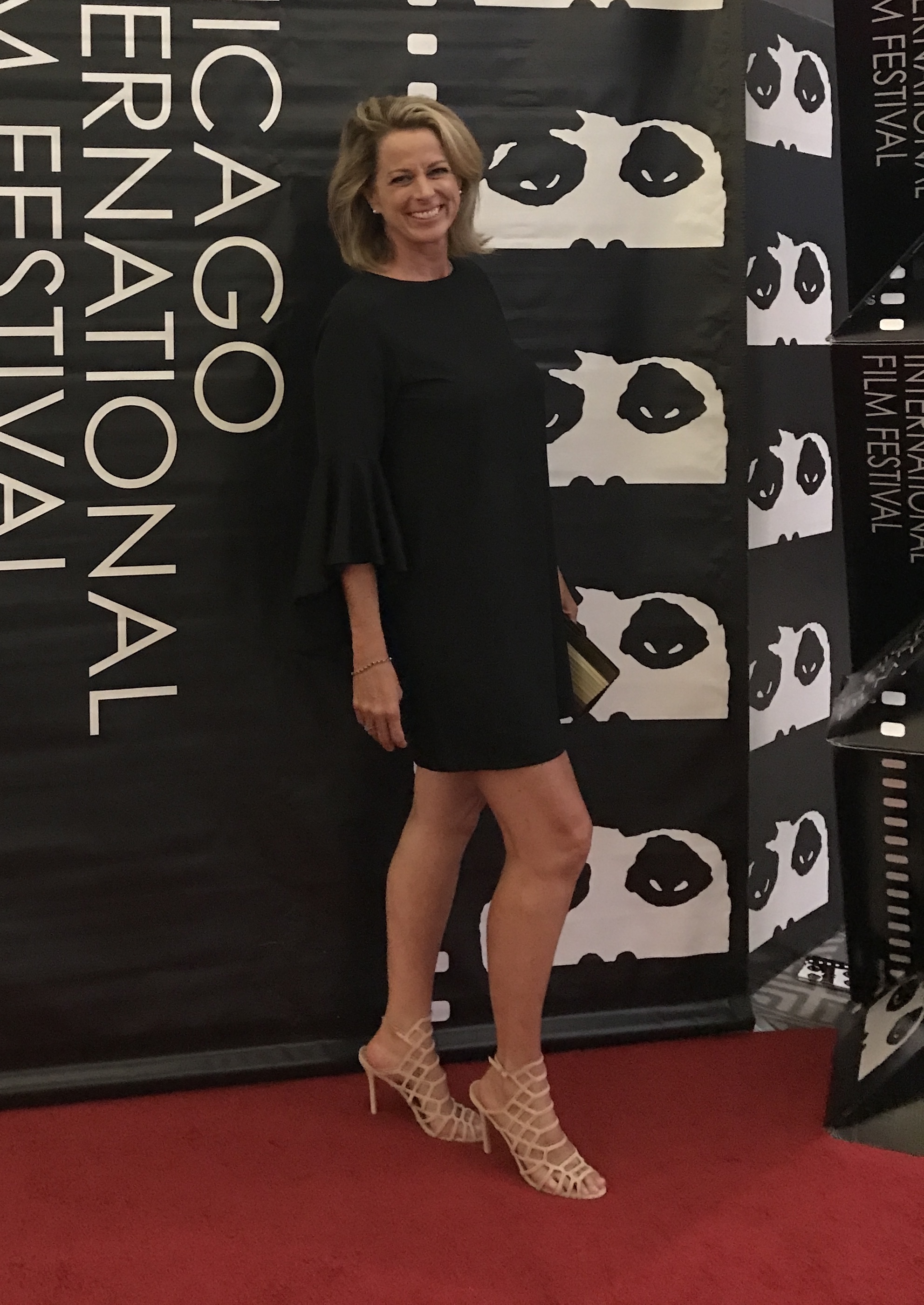
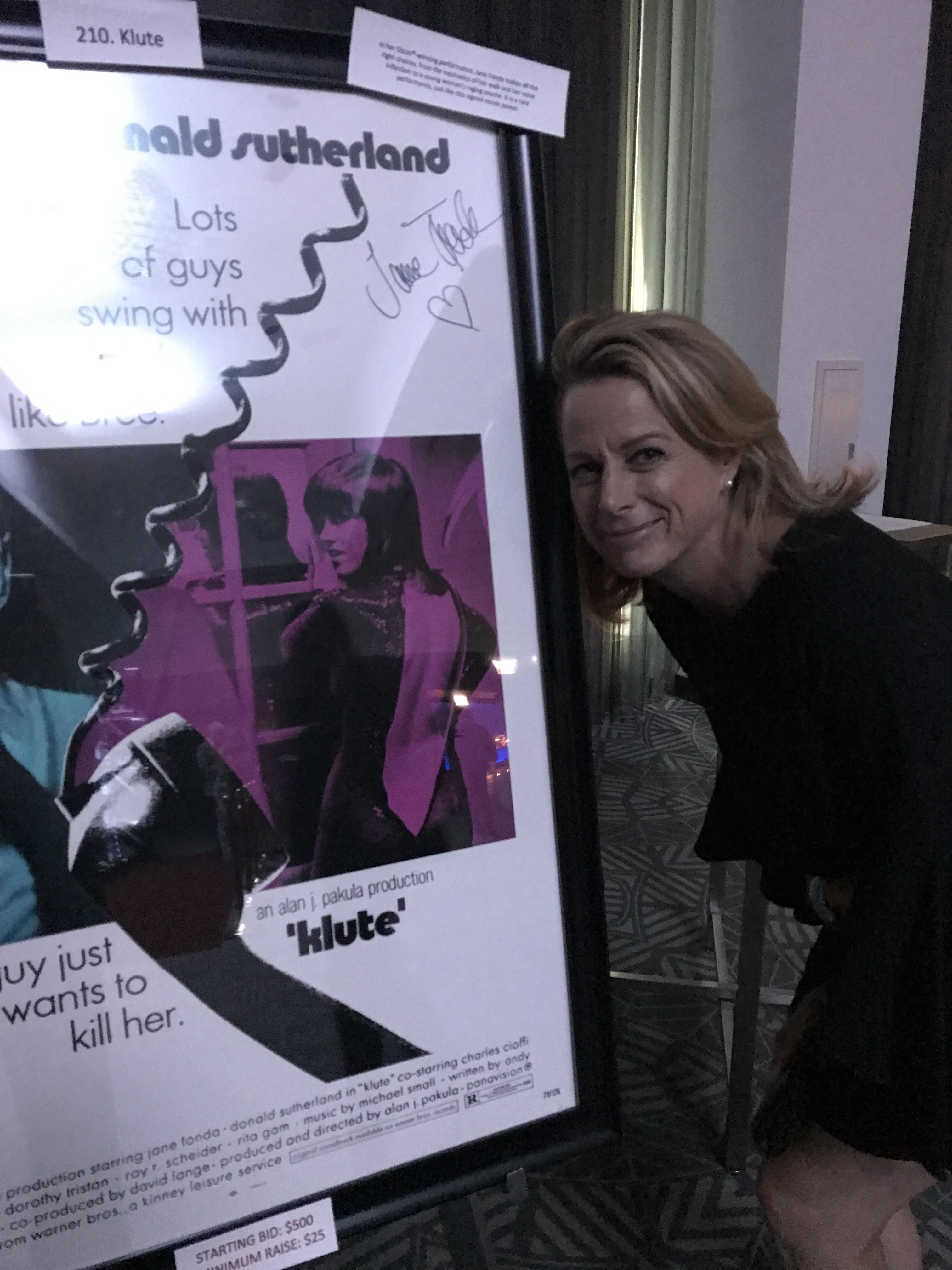
Wednesday night at the IWP poetry event at The Poetry Foundation in Chicago, three beautiful souls bared themselves and brought more light to the world. Fatena Alghorra, Kristian Sendon Cordero, and Ali Cobby Eckerman moved and illuminated the audience. I was reminded how important the International Writing Program at the University of Iowa is, offering space and time for distant, often silenced, voices, and how important poetry is for our hearts. How lovely these occasions are in the way they gather and connect the wordsmith lights around the world, forming constellations. Please read poetry every day. Also, if you really want to find out about another country, read their poets, their storytellers (not the news).

Juxtaposition

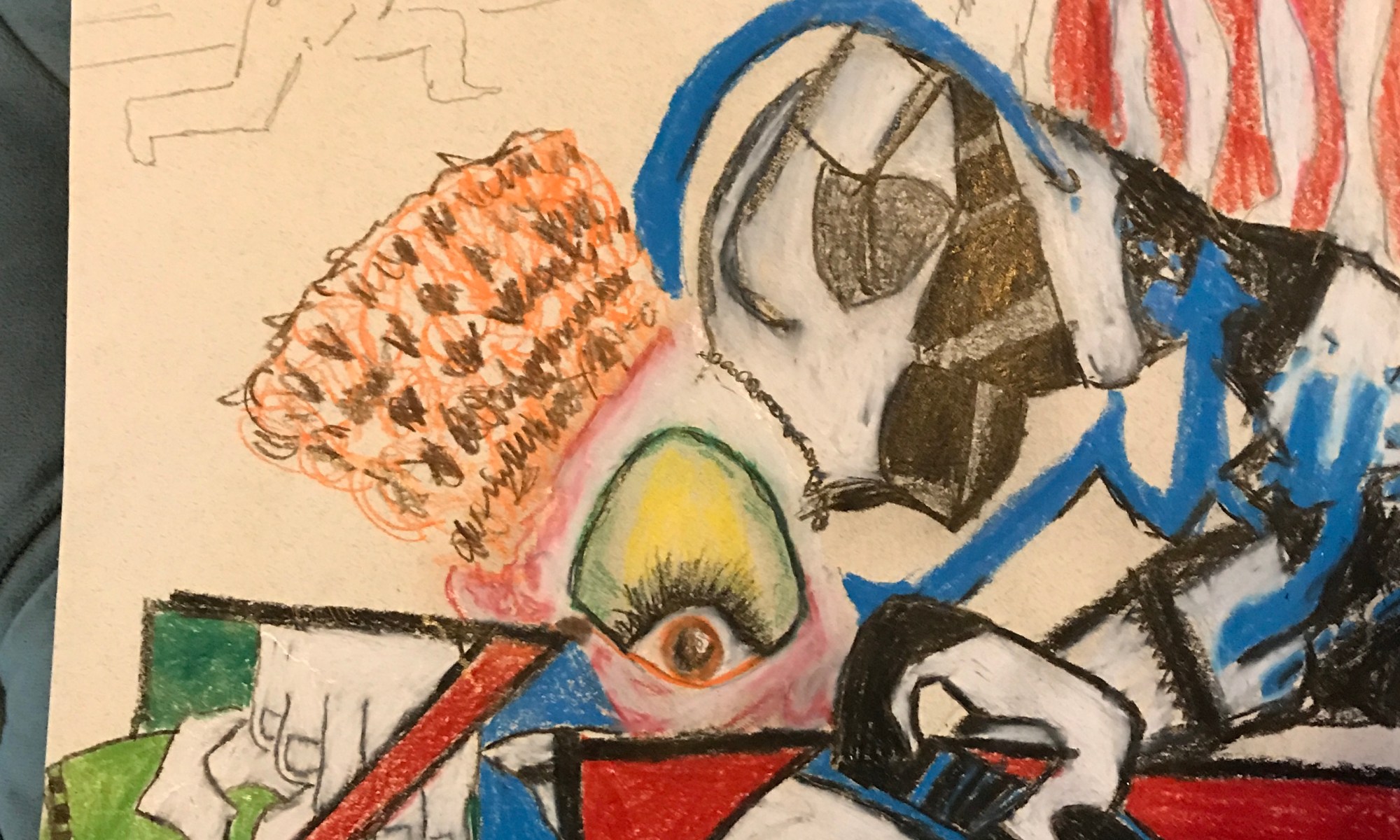
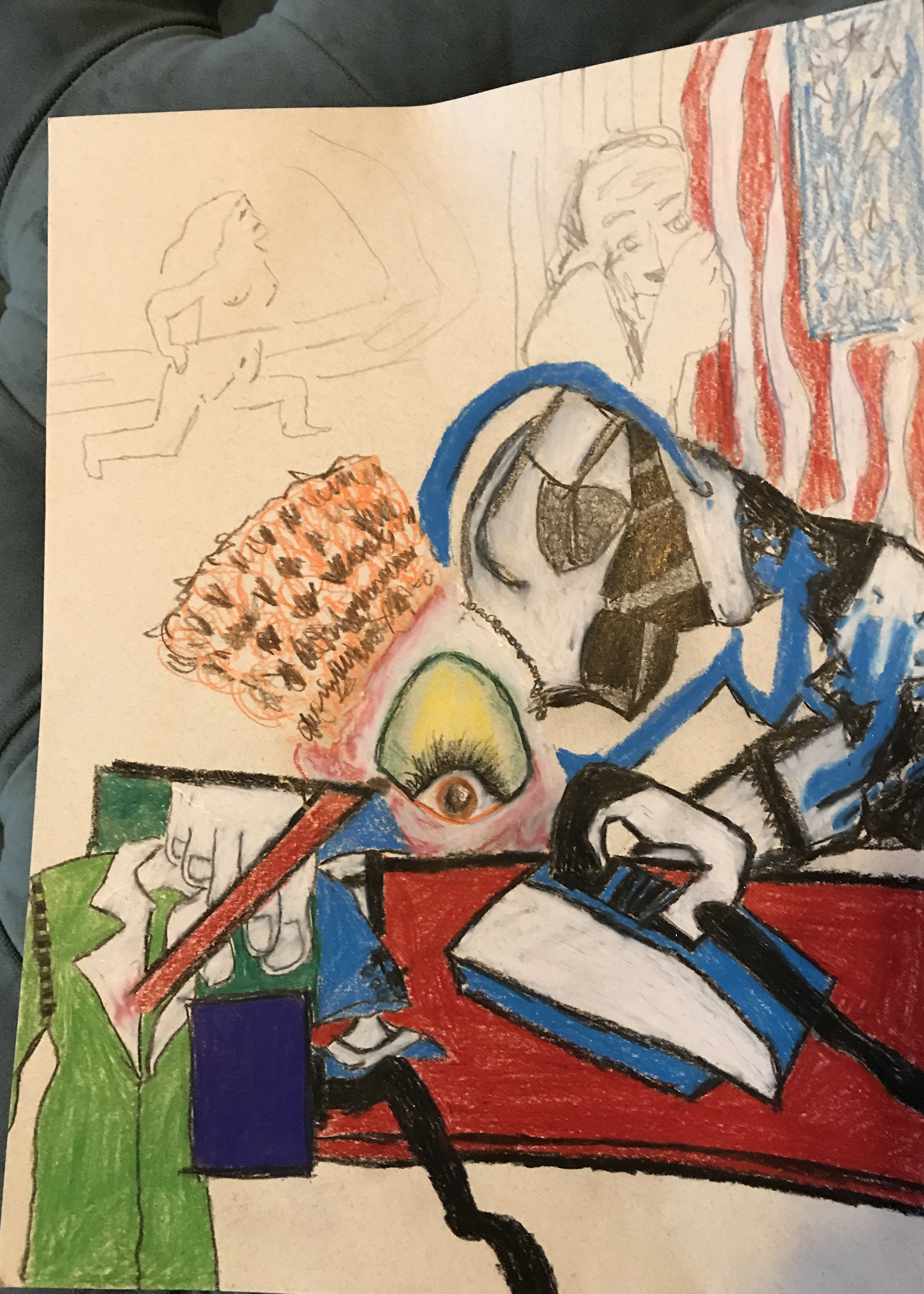
fullsizeoutput_7406A couple of weeks ago I attended a great sketching event at the Art Institute. We sat in one of the Modern Art galleries (there were about 25 of us, I think, I became so absorbed in the sketching for the entire hour and a half). The artist leading us gave us the assignment of juxtaposition, instructing us to take small parts of one work and put them in different places, or to take parts of many works and put them together in a new one, which is what I did. I used what attracted me in six different works to sketch this new one, which I did not have time to finish yet. Anyway, why am I telling you this? Well, it got me thinking about the word, juxtapose, juxtaposition, and about fiction, and life, and how many of my stories are made of juxtaposition, taking parts of life and putting them in different places, near other parts of other stories. It’s playful and concentrated and creates a new way of looking at things, and more often than not an enlightened understanding. The parts of works juxtaposed here are from the art work of Öyvind Fahlström, Christina Ramberg, Ed Ruscha, Wanda Pimentel, Ed Paschke and Benny Andrews.

Body as Boundary, Vulnerable Home


fullsizeoutput_6c8dOn Saturday, I Facebook posted Roxane Gay’s recent writing, “My body is a cage of my own making”: https://www.theguardian.com/books/2017/jul/01/roxane-gay-my-body-is-a-cage-of-my-own-making?CMP=fb_gu

Comments posted, and most especially one in which Gay is referred to as a victim, triggered me to immediately defend her. Am I alone in thinking that in this society being called a victim can be equivalent to being called a loser? It is true that loss is involved when a victim. Yet, I have heard people say with disdain about others, “Oh, s/he is such a victim.” I have been criticized for acting like one. I am unsure that this is the meaning this commentator had in mind when she wrote, “Victim. This was a great piece showing how this author remains forever a victim — by society, her coping skills, and her abusers from long ago.”

Yet are we not all victims? Have we not all been harmed, duped, and/or sacrificed in some way by someone or something recently and long ago? And will we not forever be? I have also been wondering what the opposite of a victim is? Is that a perpetrator? Or is it what Gay, and each of us are, too? Survivors.

Are we not all overwhelmed at times by the prospect of letting go of our survival mechanisms? It helps me to remind myself that I no longer need whichever one I know needs to go. But the first step is seeing how we acquired them.

In her writing Gay speaks of her extra weight as protection and in response to having been raped, at age 12, by a boy she loved and several others. Her way to survive was to think of ways to make herself unattractive to men. And now, her protection has become too heavy to carry and dropping it is daunting and difficult, and to add insult to injury she is criticized and judged for it. (And those boys, where are they now as men and what havoc are they wreaking in other lives and do they carry the responsibility of their act or is Roxane Gay carrying it for them? I am curious if their collective weight at the time of the act could add up to the extra weight she has carried.)

Our bodies are our boundaries and in some ways the body is a cage, yet it is also a home. Our body is home. And we are the host at the door, hopefully, deciding who (and what) we let in and  don’t. When that home has been violated. especially at a very early age, before we have learned and acquired dominion over it, the price we pay to have comfort in our homes is higher. It’s terrifically unfair, as life can be. As male privilege is.

What has male privilege done to a female’s image of her body/home? And what has male privilege and abuse cost females in terms of self/body/home protection? How can we measure the influence of others on how a female presents her body to the world? Feeling at home in one’s body is a challenging task while living among others who set “acceptable” standards for it.

For the record, I do not think this is only a female issue though it is easily arguable that a female’s body is more monitored and criticized than a male’s.

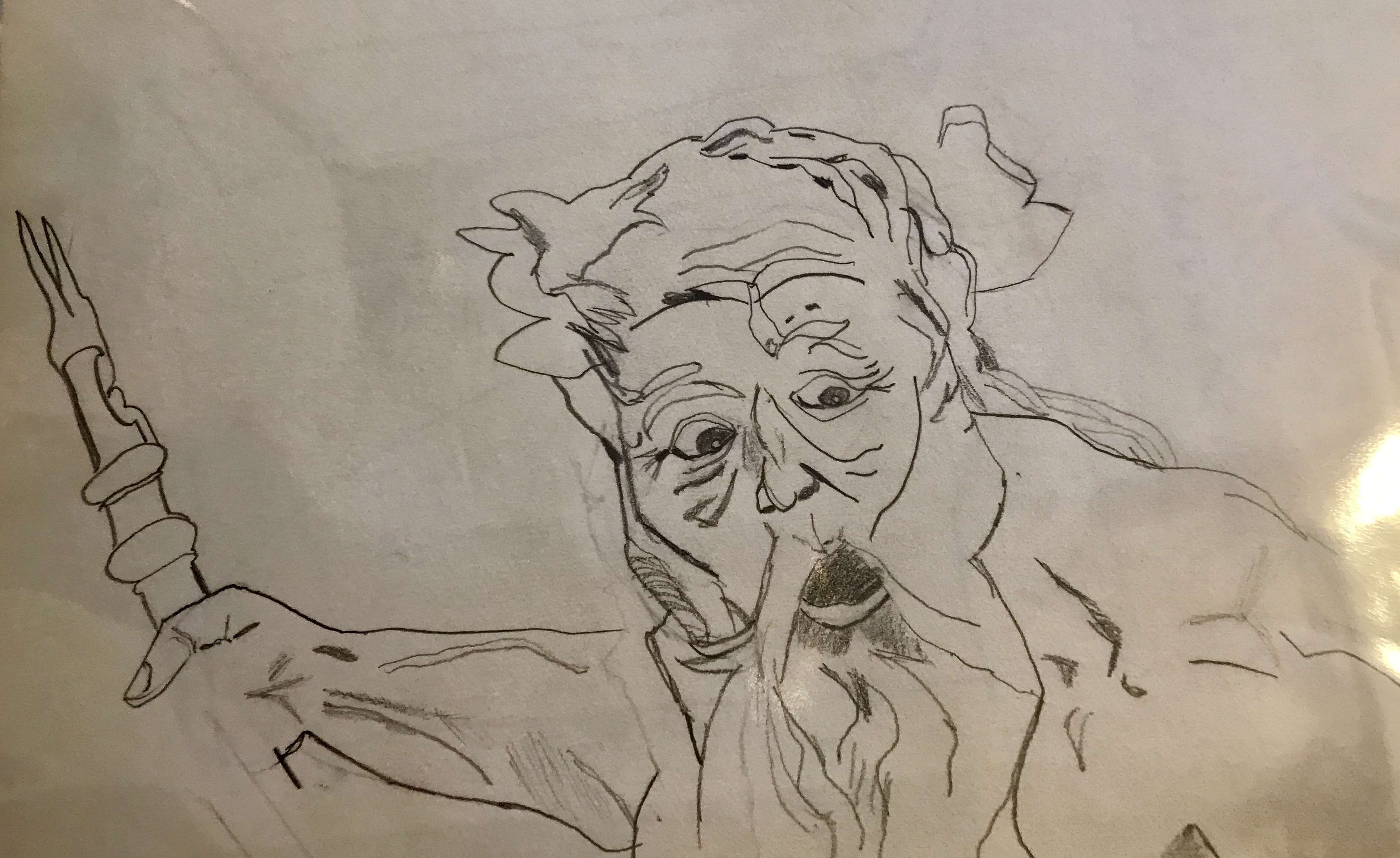
I think about Lucy Pilgrim, the character in my first novel, and how she struggles with her body/her home. I smile when I look at a sketch of her above and the exaggerated shoulders, knowing how she was carrying much more responsibility than was hers. Also notable about Lucy and this article is how Lucy, refusing to see herself as a victim, made it impossible for her to see the damage that had been done to her, and thus, blinded her to her vulnerability, and thus, her healing.

Speech, itself

fullsizeoutput_6cef
fullsizeoutput_6d28

We are raised with stories about heroes, and sometimes sheroes, or heroines. Women, especially, are raised with stories about being saved, and men, about being saviors. Evolution calls for saving ourselves–a sort of self-saving, self-caring, that allows room for others to do that for themselves. We all need allies, and help, of course. Yet, what if we let go of these stories that we must save or be saved by another? In the writing of Lucy, go see., it took a while to see that the real hero of the novel was voice–speech, itself. Though Lucy is the protagonist of the novel, in many ways, the real story is about an unspoken thus unrecognized wound. And when finally, the bearer of the wound speaks its name, and stands up for herself, she frees (saves) herself, and, inadvertently, others.

¿Correction? Regarding Isabella

I rushed home from my walk through the park, after my bike ride along the lake, where I began wondering if “este” was east in Italian, as it is in Spanish, and found out that the Italian is, as the French, “est”. I have done some more fact-checking on the name. Translating machines tell me that they recognize “este” as a Romanian word and do not translate it into English other than as “este”.  Isabella’s father, Ercole d’Este (1431-1505), was a member of the noble and princely dynasty, the House of Este, whose origins are far-and-wide-reaching.  Ferrara, where Isabella (1474-1539) was born, is in the Emilia-Romagna region, in the northeast of Italy.  All of that to say I am not sure that the origin of her name denotes a cardinal direction. Someone might know. I do recommend reading about her and all of this fascinating history. This powerful woman and her father were two of the most significant patrons of the arts.

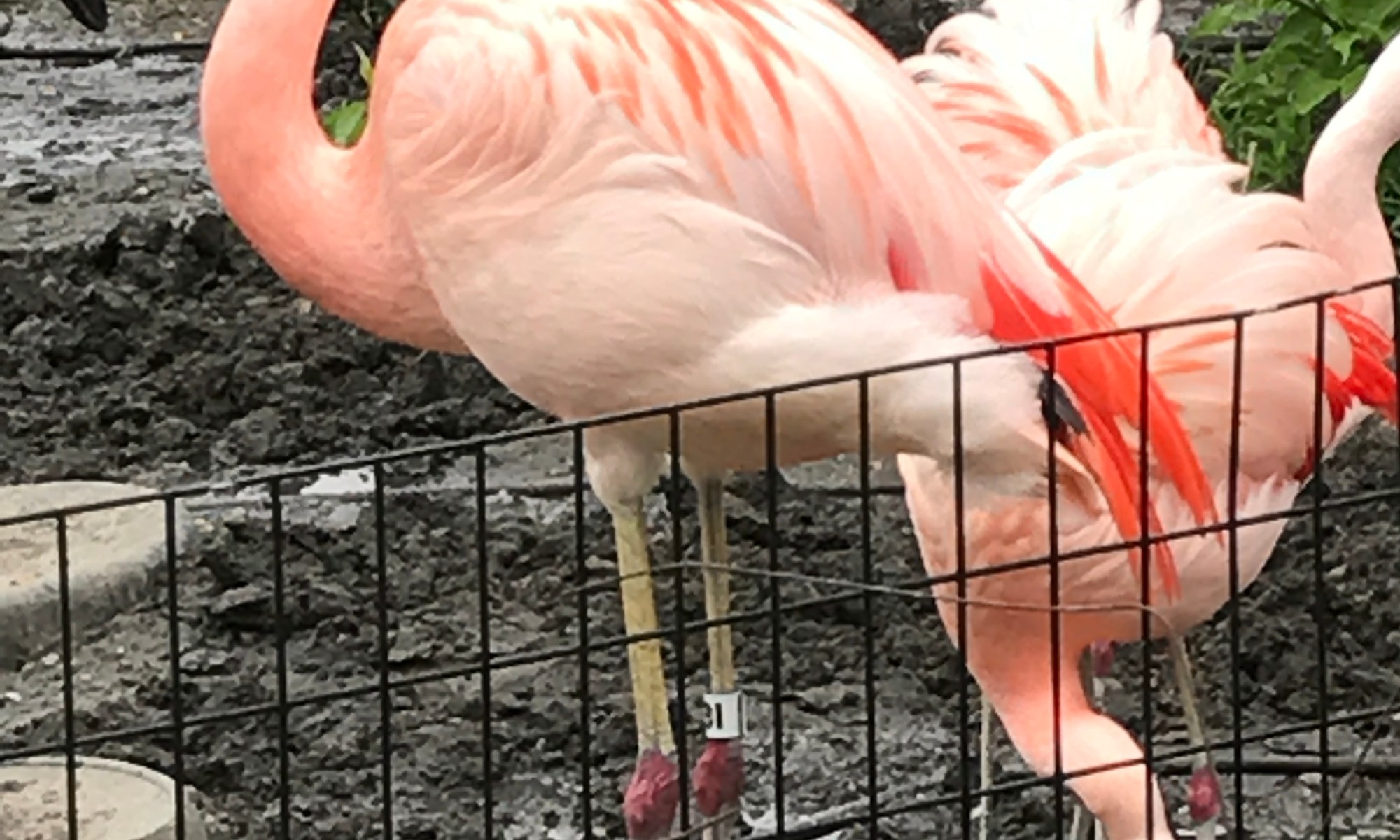
On another note, the photos above are from my walk, where I was thinking about all this. Especially about fact-checking, and fallibility and my own difficulty with accepting my flawed humanness. Turtles are another favorite creature of mine. Flamingos, too. And many others. I have a meaningful, playful menagerie (sans live captives) to share with you. More to come.

Names

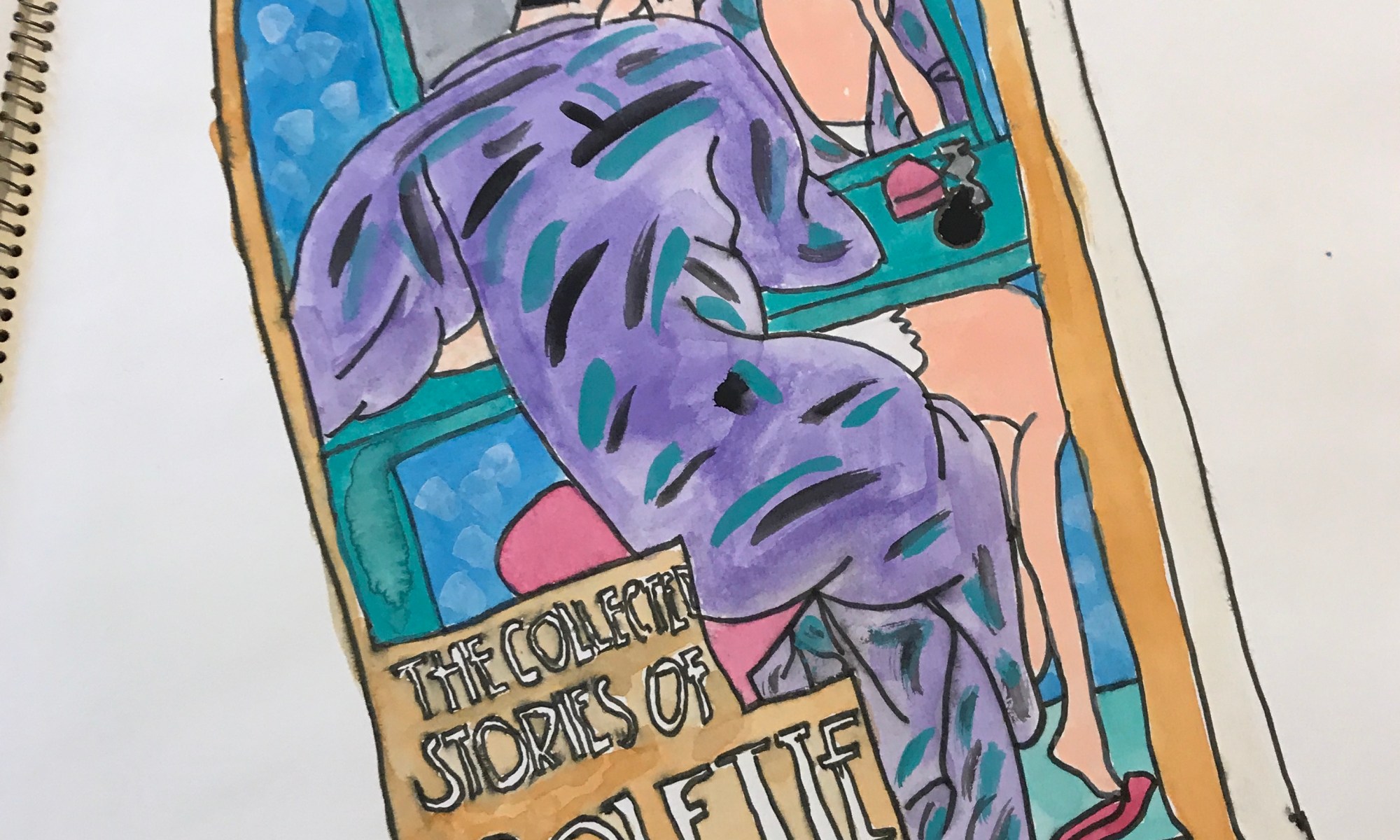
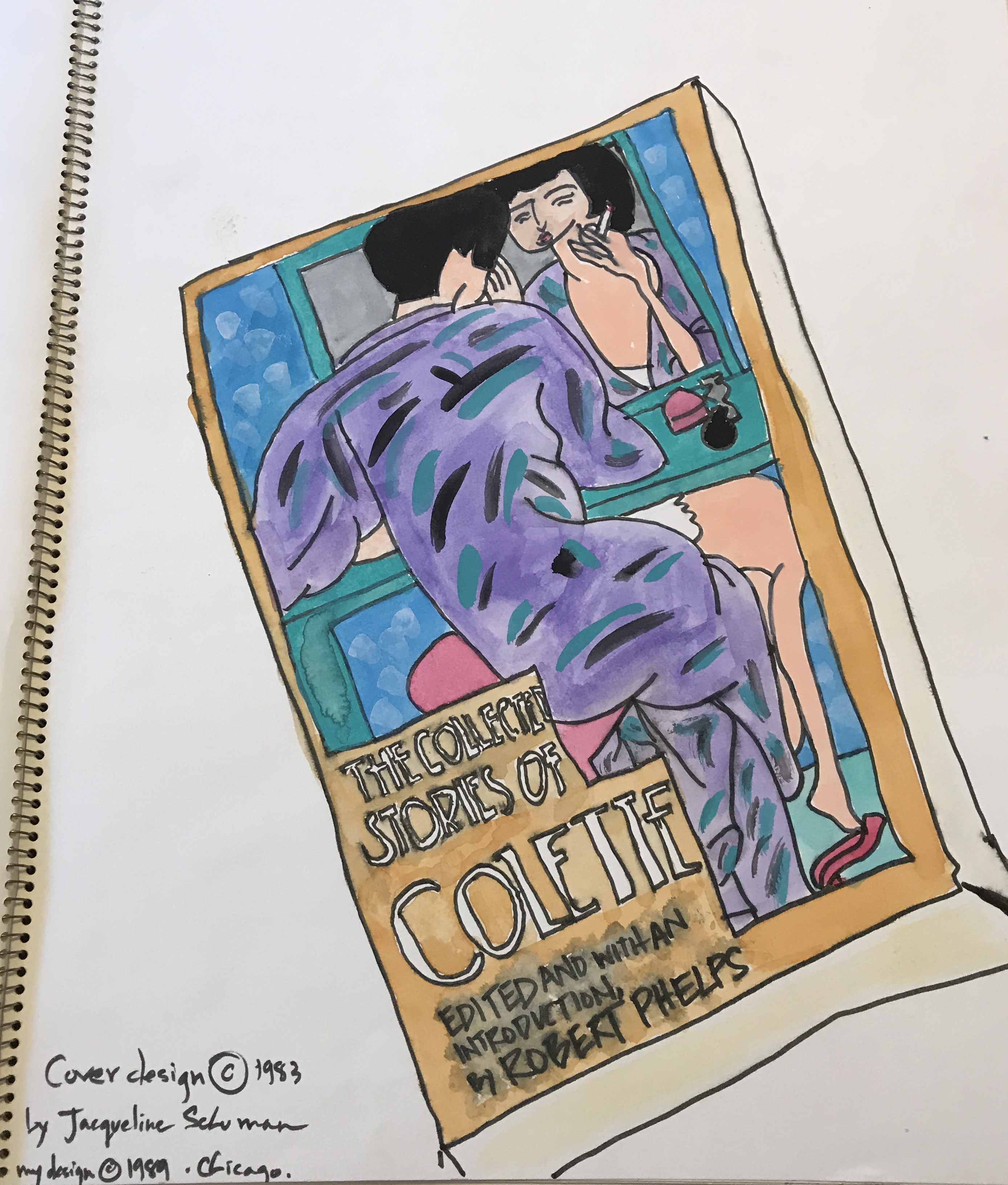
fullsizeoutput_6c89I love my name, Marianne, and I may use it alone as a pen name. Like Colette. My mother named me in honor of the Virgin Mary and her mother, St. Anne–Mom was praying to them, hoping for a girl after three boys in a row, and there I was. “You must have known I would become a French citizen,” I said, “naming me like that.” (Marianne is also the symbol of the French Republic, and its values of liberty, fraternity, and equality.) “No!” she snapped back, she who hated that I lived so far away for so long.
I have been playing with different last names for a while. Marianne d’Iowa means Marianne from Iowa in French and Spanish, and appeared in my mind when I was having fun thinking of the leading Renaissance woman, the Marquise Isabella d’Este–meaning Isabelle from the East–but Marianne de Middle West was a mouthful. When I moved to Chicago, Marianne d’Iowa did not seem to fit as well, and I thought of the different places around the world I call home, so I became Marianne du Monde–Marianne of the World in French–for a while. Finally I settled on Marianne Maili.

Maili is the name I would have given a daughter. I love the sound of it (may-lee). In Polynesian it means “gentle breeze” so I also liked the idea of a gentle breeze in front of and behind me. In a way, I have become my own daughter now that Mom is gone. I have fun with the challenge of naming characters.

The mother in Lucy, go see., Viola Pilgrim, is named after Viola in Shakespeare’s Twelfth Night–a character who says what she sees. Tillie Olsen remarked that the mother’s voice is the most absent in literature, Viola’s voice is very present in the novel and it brings her daughter, Lucy, more freedom.

Beds and Books and Journeys

fullsizeoutput_6c7f

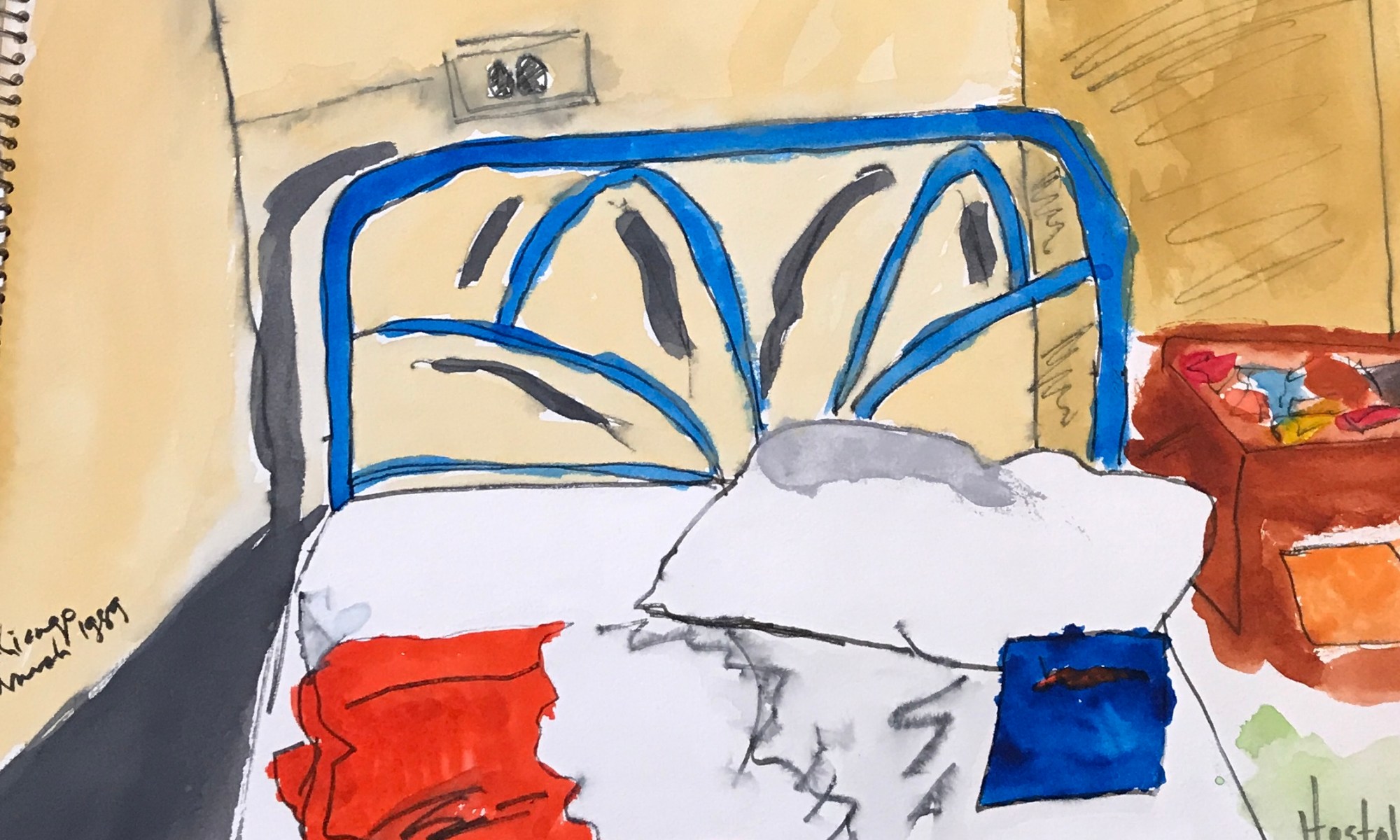
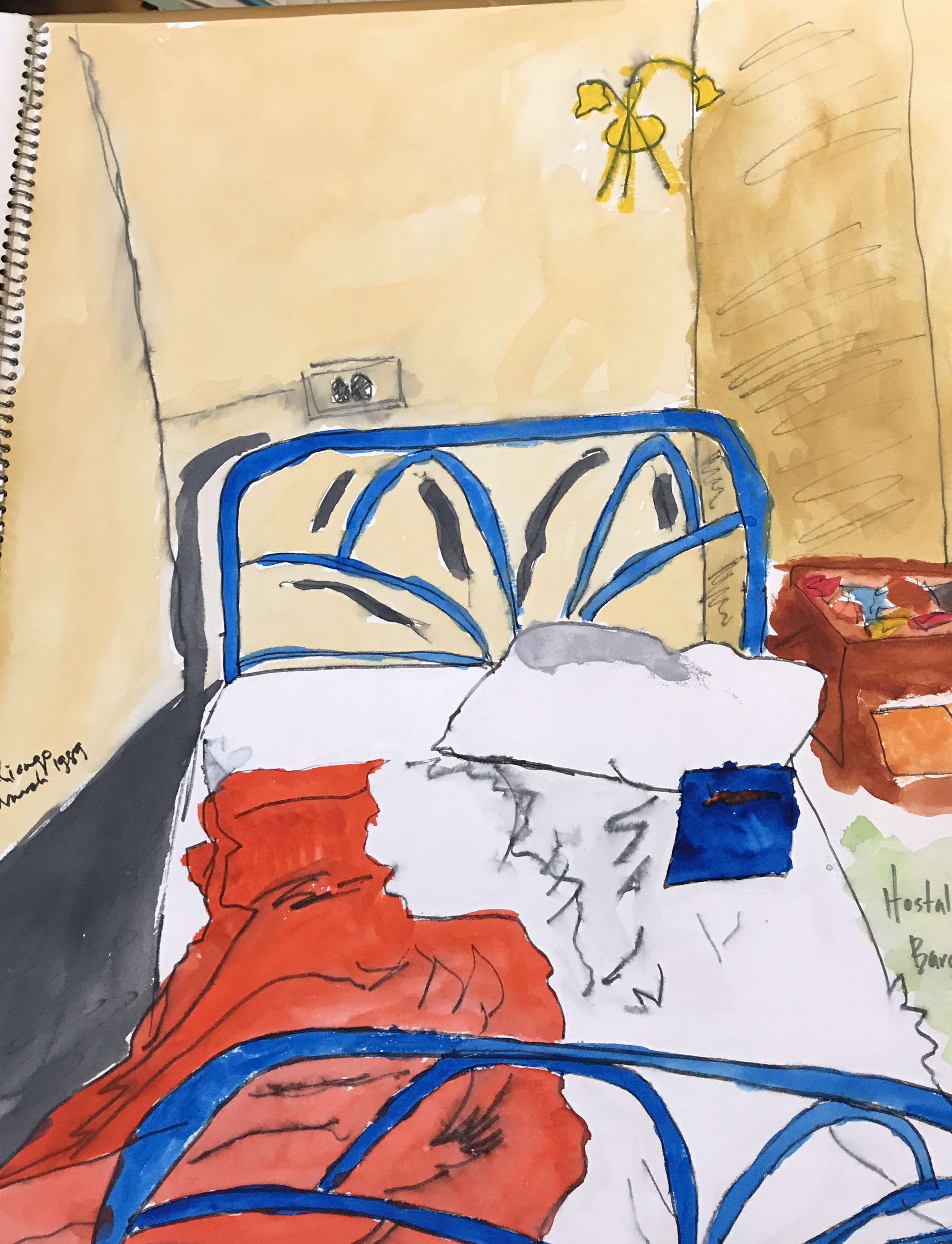
I learned to read, at 4, in my grandma’s bed. I do not remember the titles. I do remember the 11 x 14 size of one book, the softness and color of the pages, the thin spines, the magic of stringing letter sounds into words and then stories. It made me want to see other worlds and to tell stories. I remember Grandma’s patience and generosity in spirit, her weariness in body. I connected books with resting and tenderness, curiosity and travel, home and comfort. Excitement, too. Vitality. This is a bed I slept in for a month or so in a hostel in Barcelona. I was 24 and living one of the dreams that beds and reading inspired.

“Sounds like Pilgrim’s Progress,” he said.

“What myth is your novel like?” Jim McPherson asked years ago, as I rode with him to select a present for his daughter which I would deliver to her upon my return to Barcelona. I was a Visiting Scholar at the International Writing Program in Iowa City at that time, doing research for my dissertation and having one of the times of my life. I was unsure how to answer Jim. “Just tell me about it,” he urged. So I did. “Sounds like Pilgrim’s Progress,” he said.

My eyes widened. “Isn’t that from the 1600s?” He nodded. I wondered what the very modern story of a young woman from rural Iowa, traveling the world as fashion model, getting in and out of trouble at every turn, had in common with a 17th century Christian on a quest. I would soon find out.

The next day, I went to The Haunted Bookshop in Iowa City and bought a copy. Back home in Sitges, I read it with amazed delight. It, and thus, Jim, gave me, for starters, the structure for the novel, as well as a playful approach to naming the characters in it, the protagonist, Lucy Pilgrim, among them.

Tenderness, Water, Swimming

fullsizeoutput_6cb3
fullsizeoutput_6cb1

Yesterday when my bare feet sunk into the sand, then the cool waters of Lake Michigan, tears rose as my heart and body remembered life on the Mediterranean. I love the word “tenderness”, and how it means kindness, gentleness, deep affection; and also sensitivity to pain, soreness; and succulence, too–the quality of being easy to cut and chew. I have become more tender through the pounding of writing and living. It may be the writing that did it, more than the living. My heart is a tender home. Water, too, is a home, and my heart finds solace and inspiration walking, swimming, and bathing in it; looking at it, listening to it, drinking it. We, too, are bodies of water. Writing and reading are ways of swimming in the waters of different lives,  or a way to stand on the shore, looking out, and in.