

“What myth is your novel like?” Jim McPherson asked years ago, as I rode with him to select a present for his daughter which I would deliver to her upon my return to Barcelona. I was a Visiting Scholar at the International Writing Program in Iowa City at that time, doing research for my dissertation and having one of the times of my life. I was unsure how to answer Jim. “Just tell me about it,” he urged. So I did. “Sounds like Pilgrim’s Progress,” he said.
My eyes widened. “Isn’t that from the 1600s?” He nodded. I wondered what the very modern story of a young woman from rural Iowa, traveling the world as fashion model, getting in and out of trouble at every turn, had in common with a 17th century Christian on a quest. I would soon find out.
The next day, I went to The Haunted Bookshop in Iowa City and bought a copy. Back home in Sitges, I read it with amazed delight. It, and thus, Jim, gave me, for starters, the structure for the novel, as well as a playful approach to naming the characters in it, the protagonist, Lucy Pilgrim, among them.
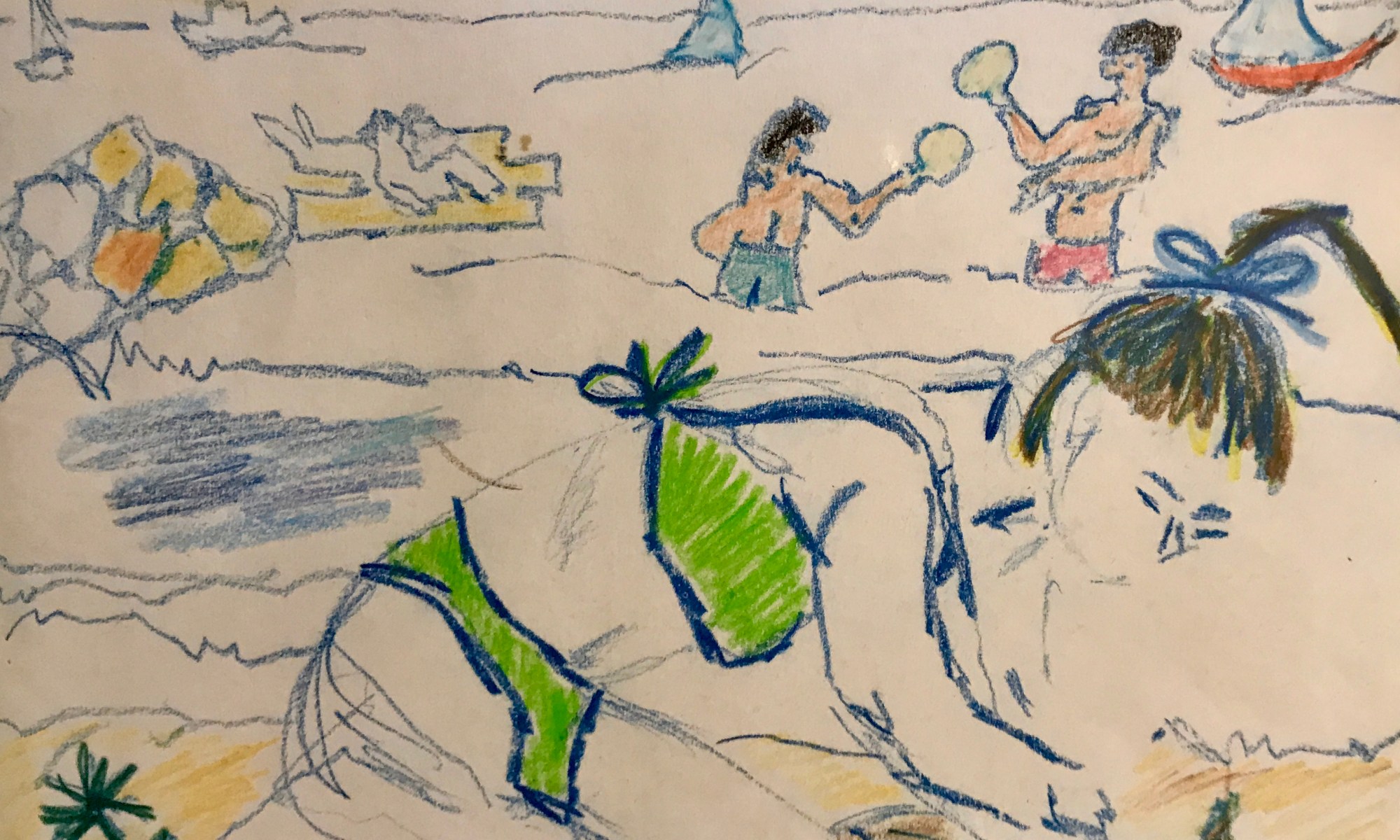
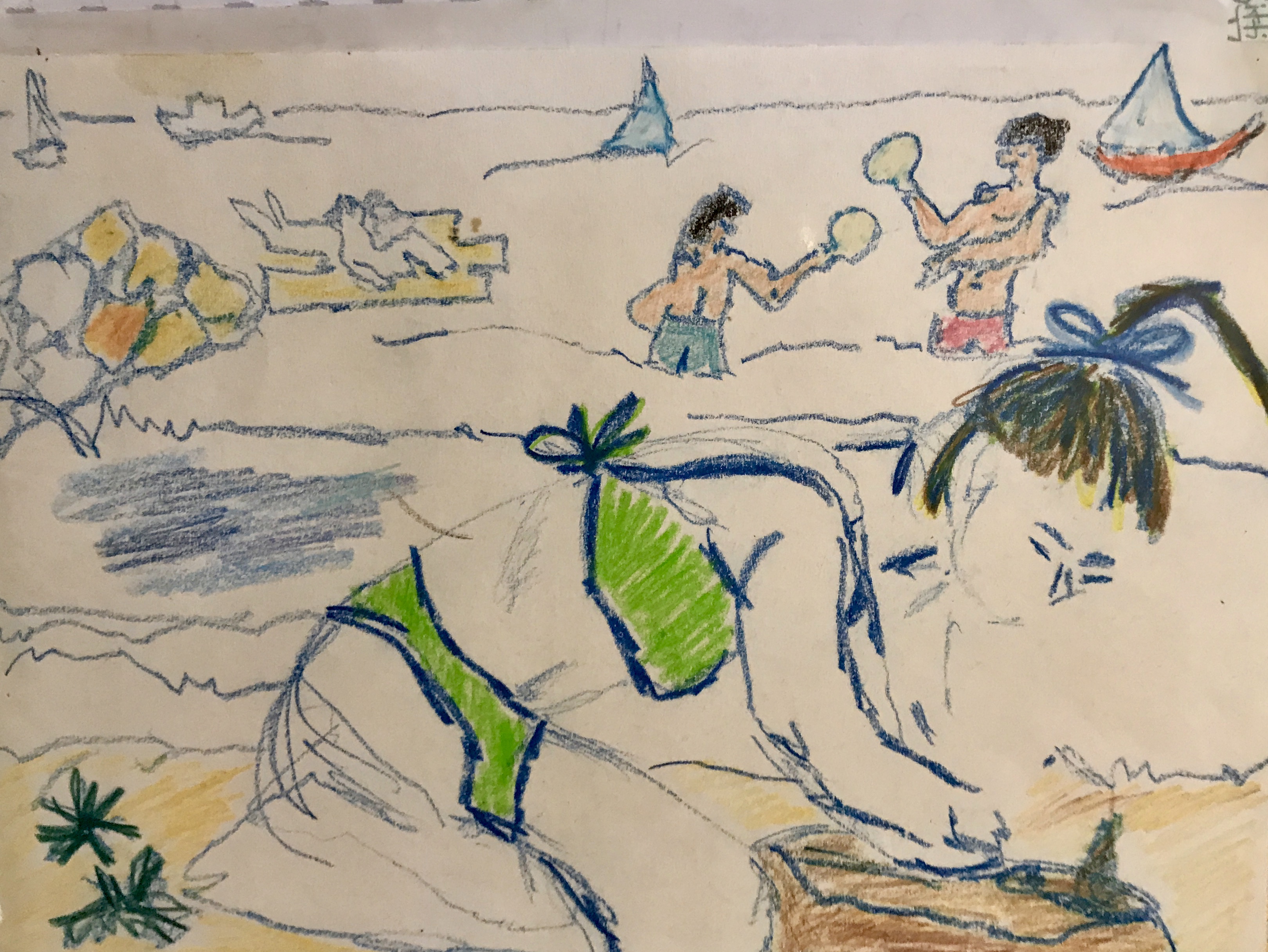
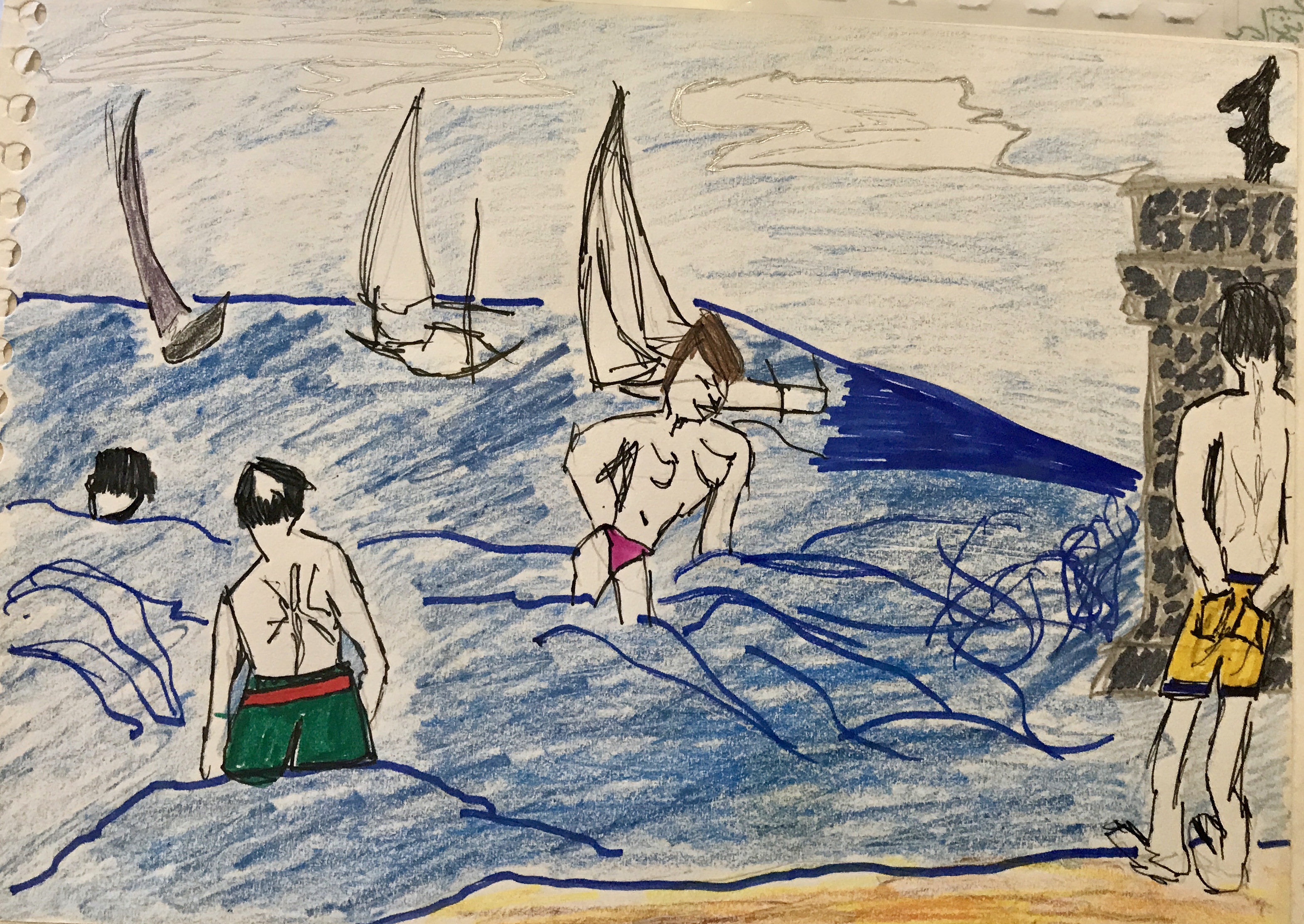
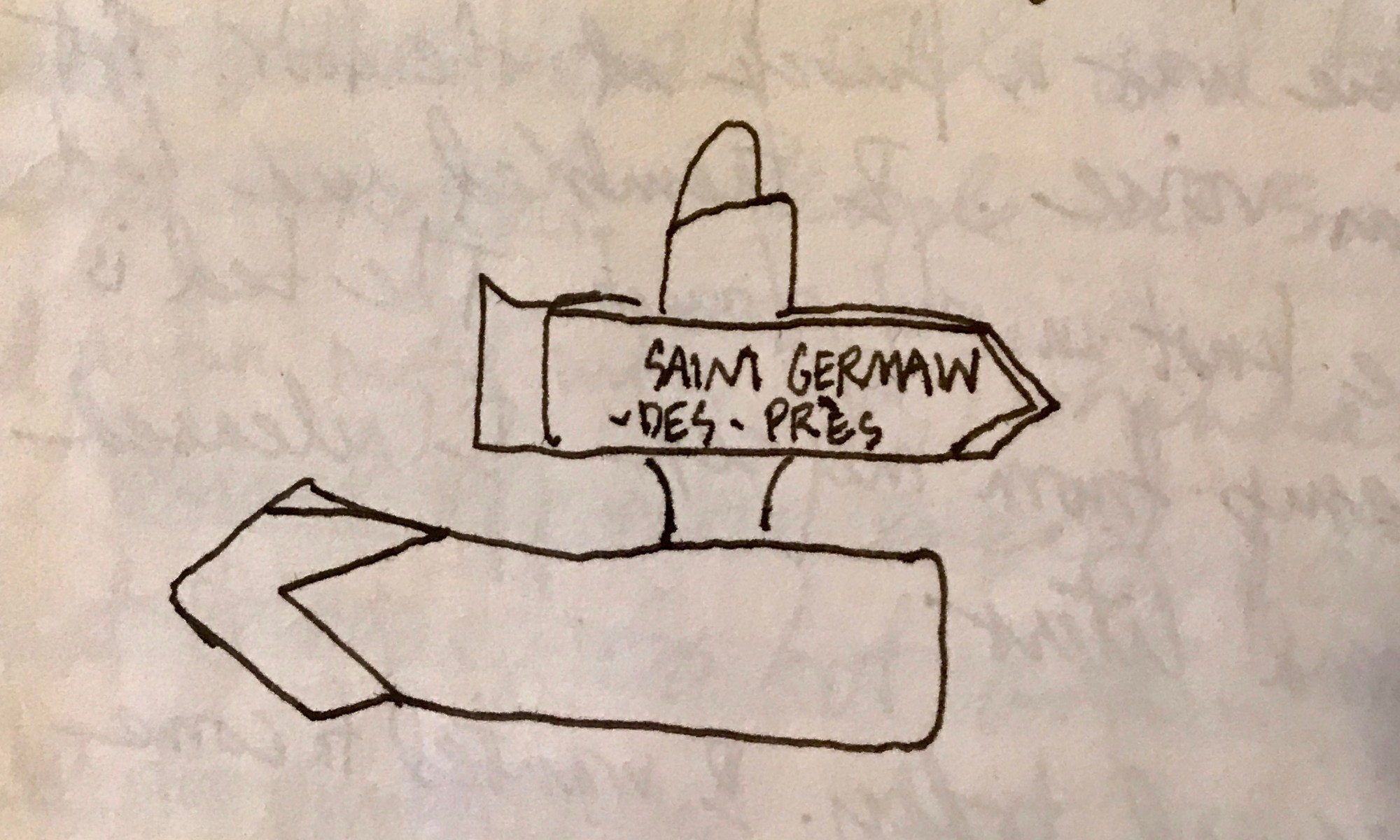
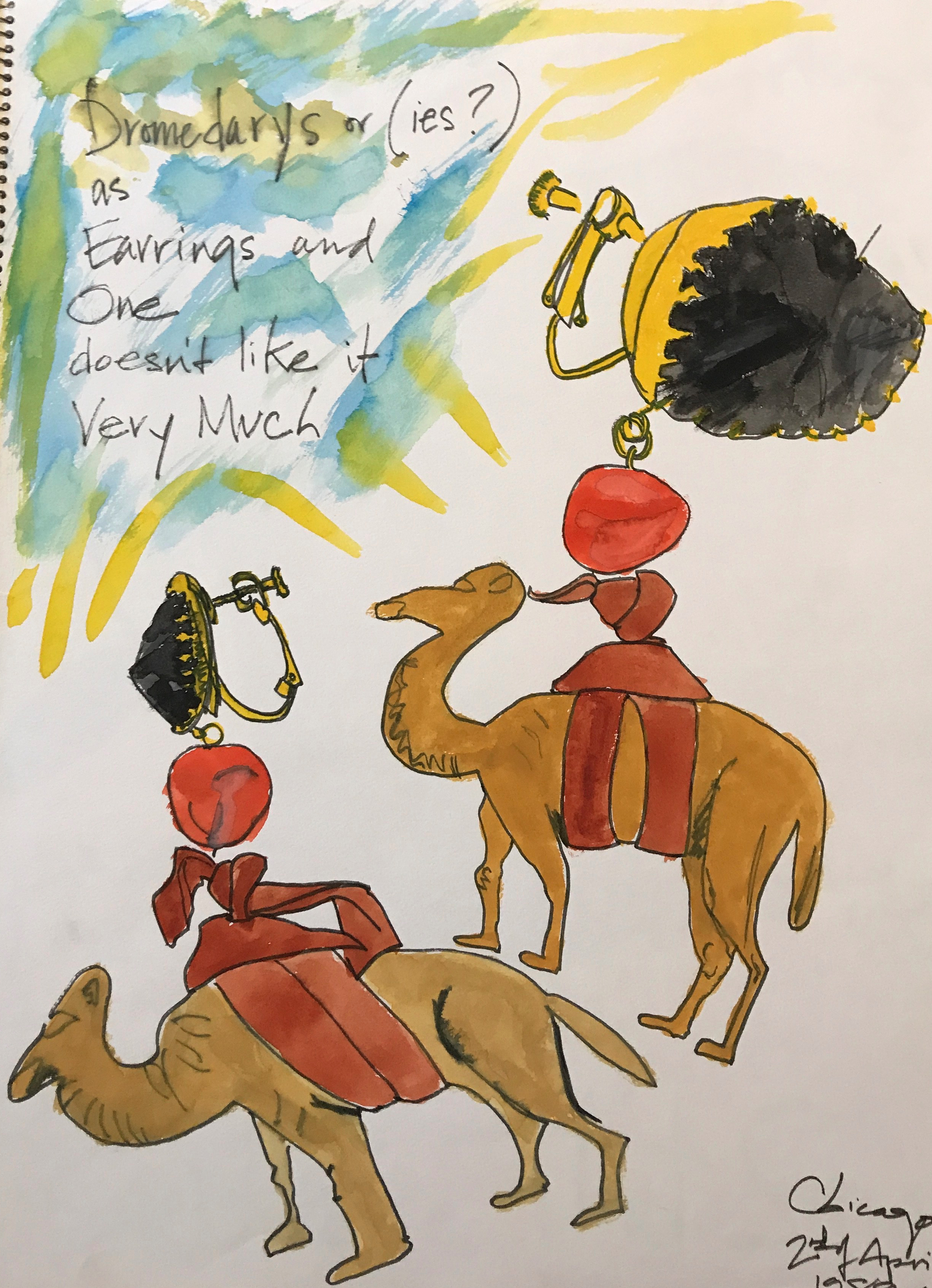
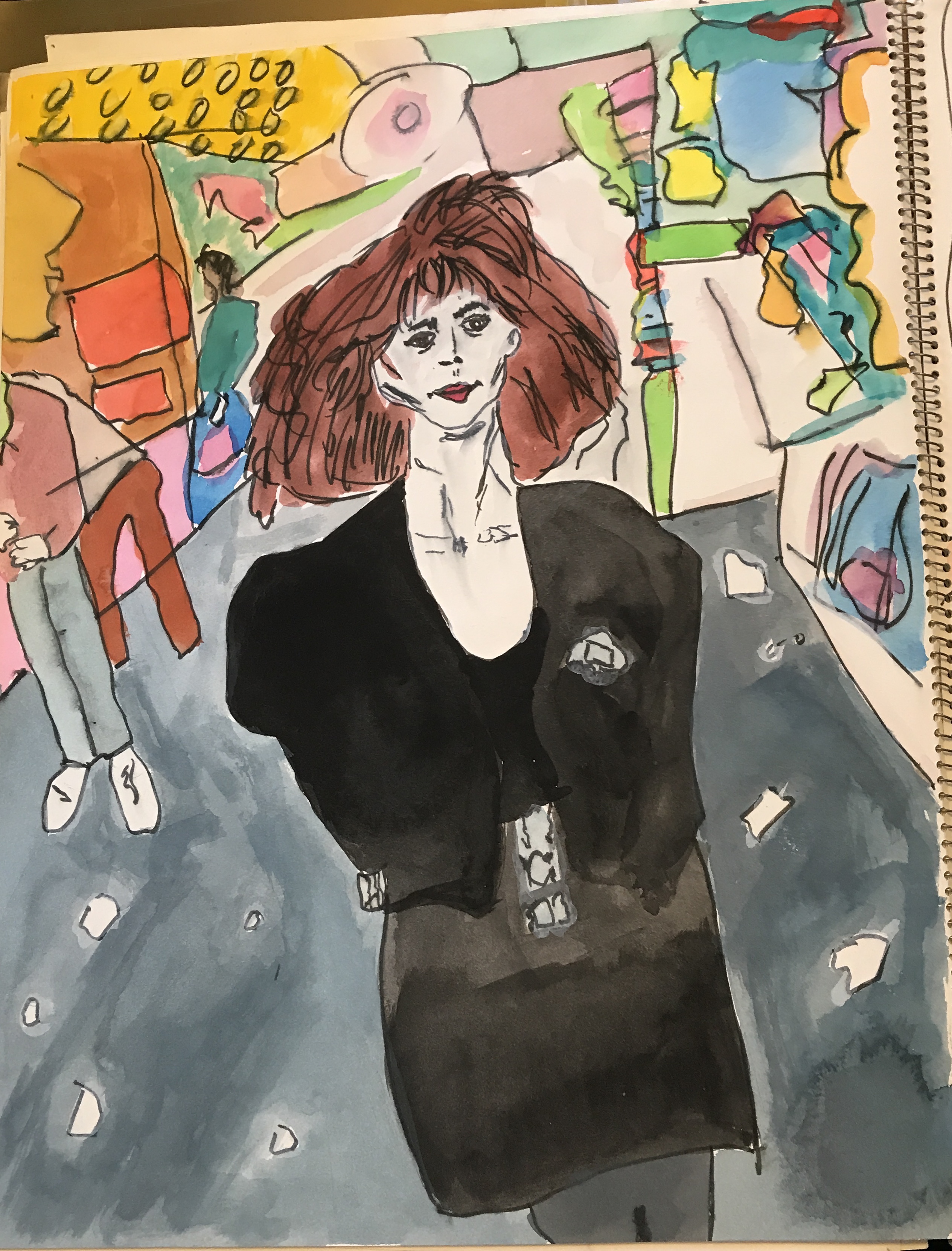 Do you ever draw? Today I was thinking about how drawing is a kind of writing and writing is a kind of drawing and both are ways of seeing and telling. Storytelling is one of the most life-giving things we humans do for each other. When I draw I see more deeply into things and people. I notice more. I like to follow contours with a pen or pencil, imagining that I am touching what I am looking at while not looking at the paper on which I am drawing. The result is an unrealistic image where a certain vivid emotional truth or mood shines through. Same for writing. Both are exercises in patience, concentration, and observation. It was the great playwright and person,