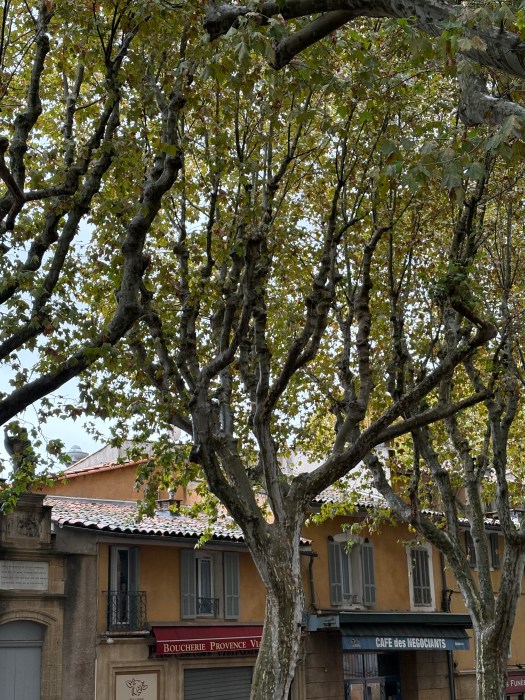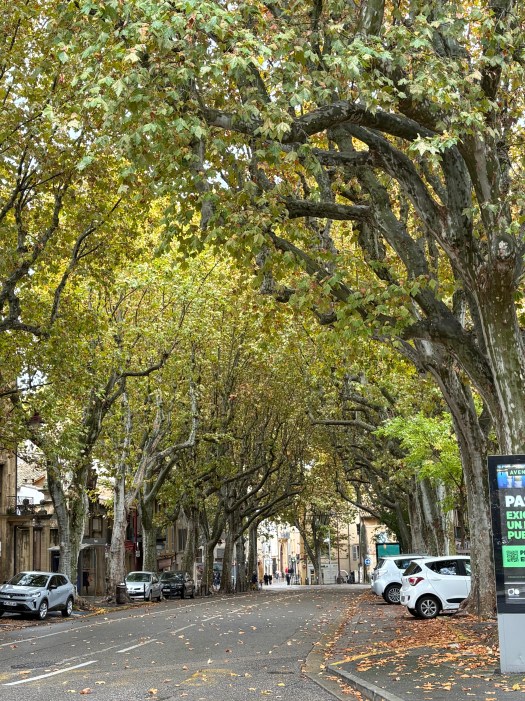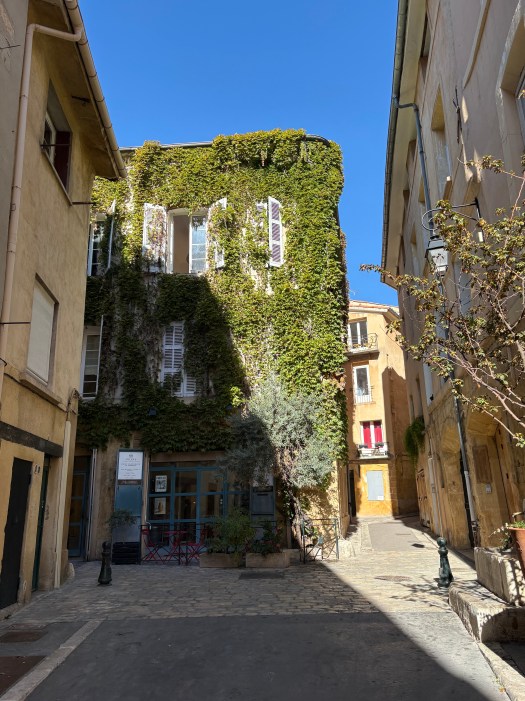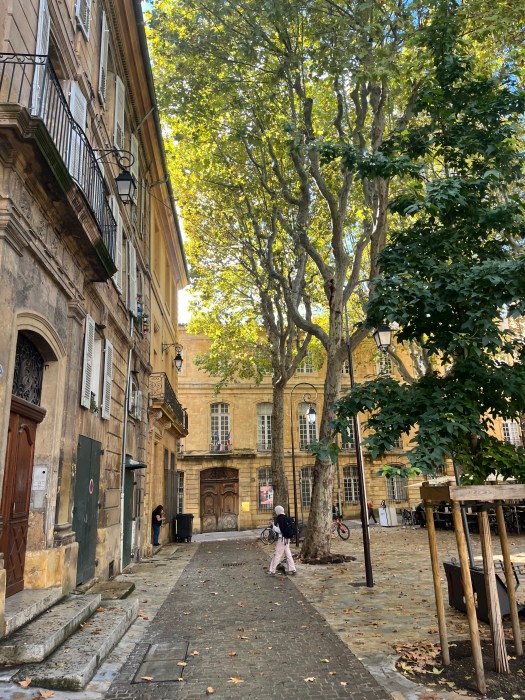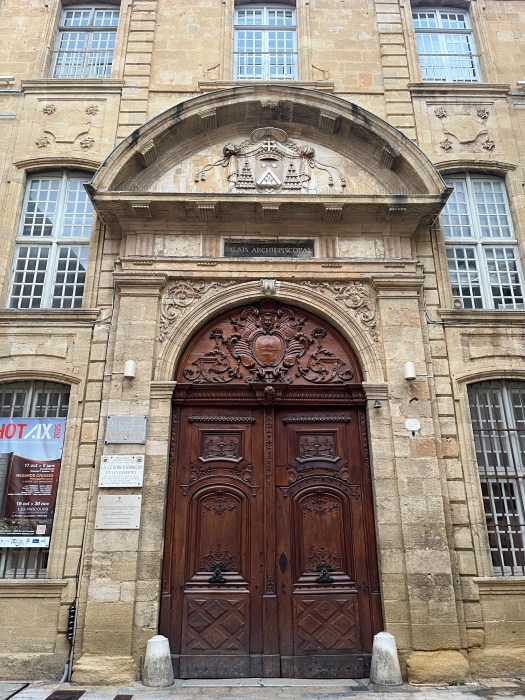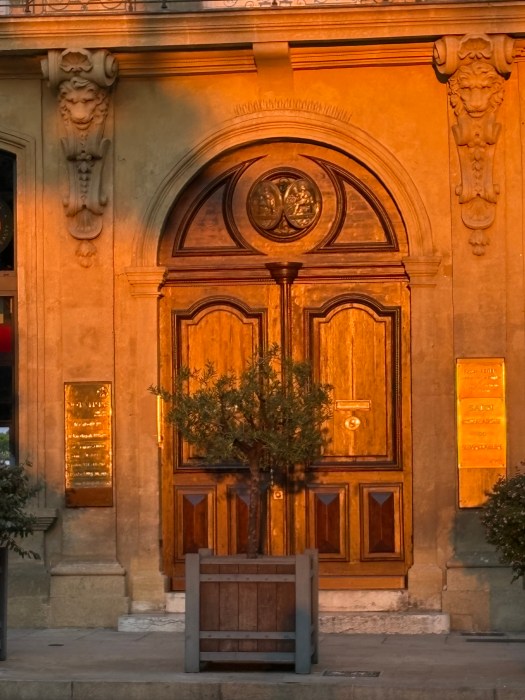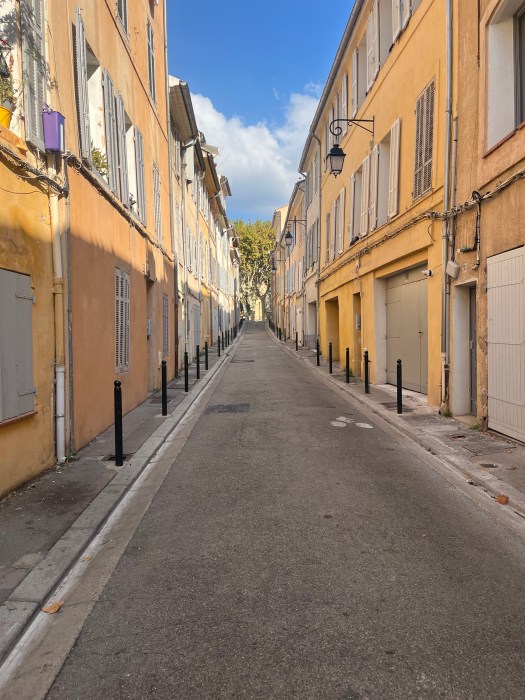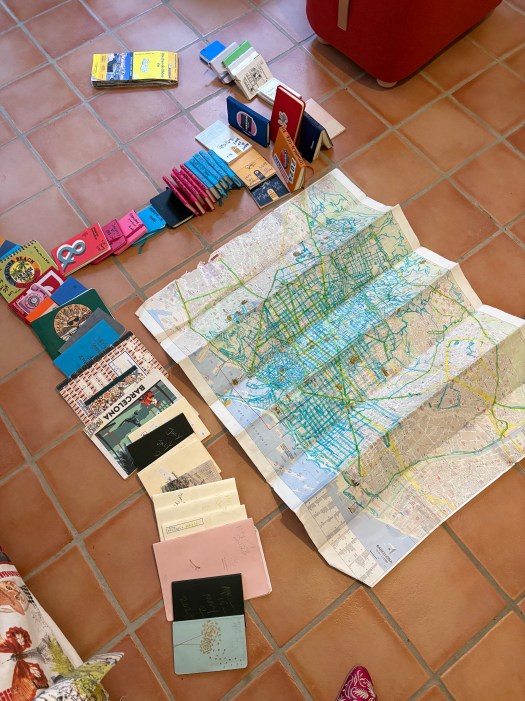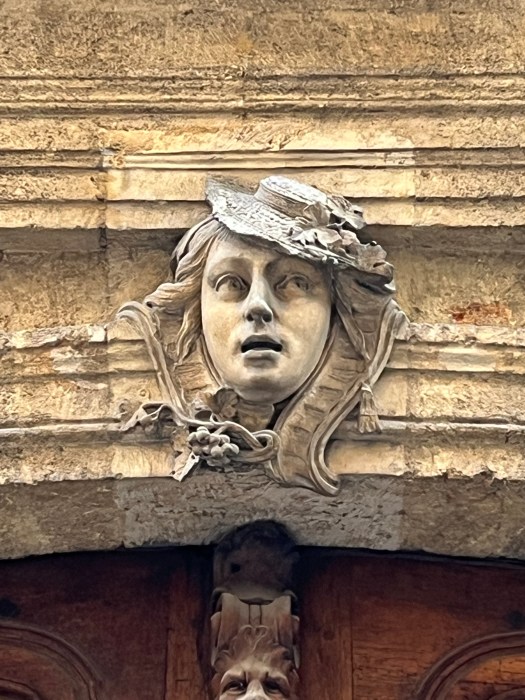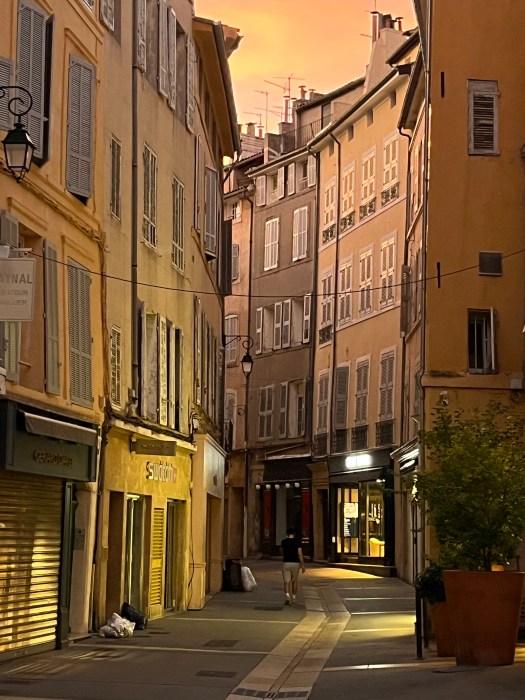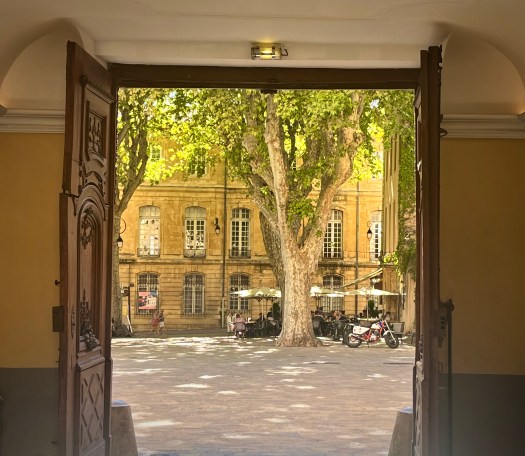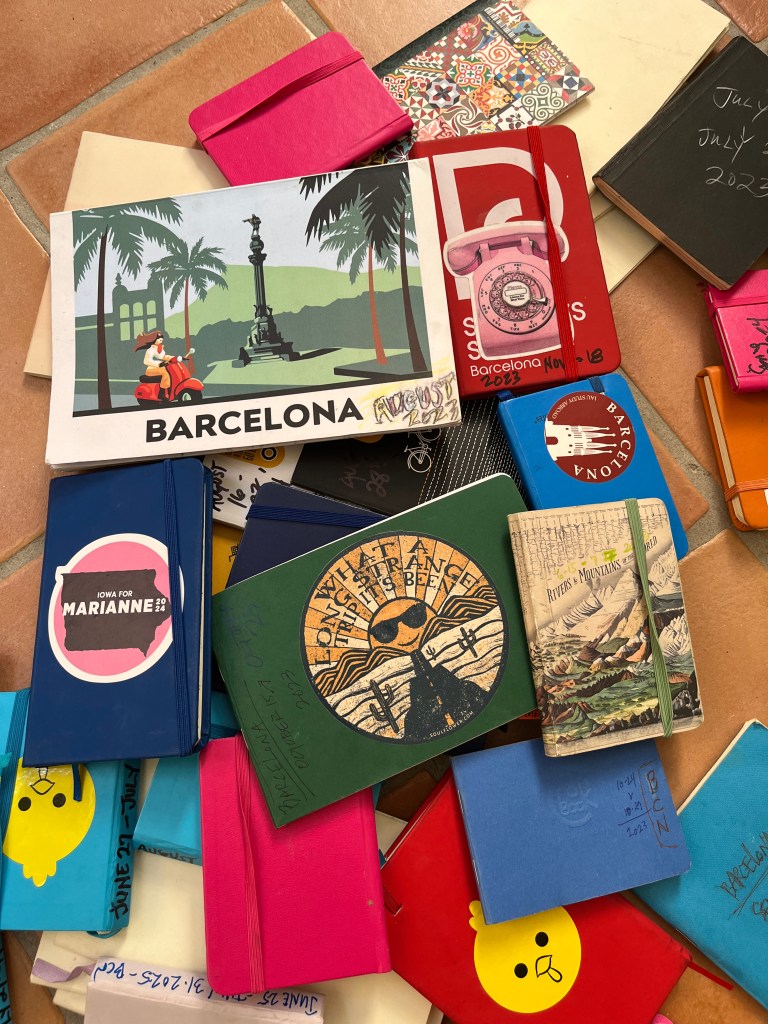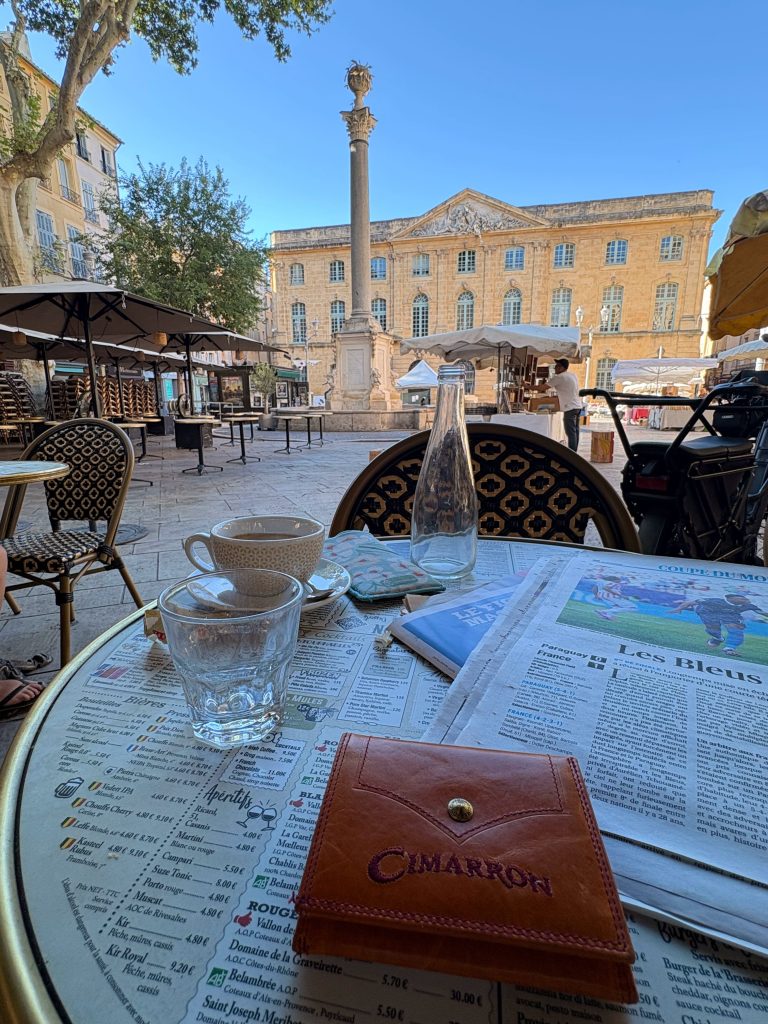
While I write by hand in a plaza in AIx-en-Provence, some sort of machine plumbing the information in cyberspace is the author of this exploration of my writing and who shares its style. Michelle and Kristin were new to me so I am getting to know them. Ocean, Joan, Claudia, and Patti have all been in my library.
Marianne Maili is an author and professor known for her lyrical, poetic, and uplifting writing style that blends memoir, fiction, and philosophical reflection. Her work often explores universal themes such as home, love, loss, motherhood, and womanhood, frequently using a non-linear narrative structure that moves back and forth in time and place.
Her notable works include:
- I am home: A memoir-in-moments that examines the meaning of home and transforming grief into beauty, written in short, poetic chapters without proper names to center the work on universal human experiences.
- Lucy, go see: A novel following a young woman’s journey as an international model, exploring female sexual agency, independence, and the courage to follow one’s dreams.
Readers and critics describe her prose as beautiful, inspiring, and insightful, noting her ability to balance profound topics with humor and elegance. Maili’s writing is often characterized by its vivid imagery and its focus on finding beauty and connection amidst life’s challenges.
Authors who share Marianne Maili’s lyrical, poetic, and fragmented style—particularly her use of memoir-in-moments and vivid imagery—include:
Ocean Vuong His memoir On Earth We’re Briefly Gorgeous is written as a series of poetic letters to a mother who cannot read. Like Maili, Vuong blends memoir and fiction with a focus on grief, family, and identity, using lush, metaphorical prose that prioritizes emotional resonance over linear chronology.
Michelle Zauner In Crying in H Mart, Zauner employs a lyrical, sensory-driven narrative to explore grief and cultural identity. Her writing, much like Maili’s, anchors profound emotional themes in specific, tangible details (particularly food and memory), creating a poetic meditation on loss and belonging.
Joan Didion Specifically in The White Album, Didion utilizes a fragmentary structure similar to Maili’s “memoir-in-moments.” She weaves together reportage, memory, and self-scrutiny in short, disjointed essays where the gaps and discontinuities themselves carry meaning, mirroring the non-linear flow of Maili’s work.
Claudia Rankine Her work Citizen: An American Lyric blends personal experience, cultural observation, and visual imagery into a layered meditation. Like Maili, Rankine moves through vignettes and uses a non-traditional narrative structure to explore themes of identity and belonging, balancing the personal with the universal.
Patti Smith Her National Book Award-winning memoir Just Kids is frequently described as a lyrical memoir. Smith’s prose is poetic and reflective, focusing on memory, art, and deep connection, capturing the essence of a time and place with the same elegance and emotional depth found in Maili’s writing.
Kristin Hannah For the richly detailed and dramatic aspects of Maili’s storytelling, Hannah’s historical fiction (such as The Four Winds or The Nightingale) offers a similar lush, emotive style that balances hardship with beauty, though often within a more traditional narrative arc.