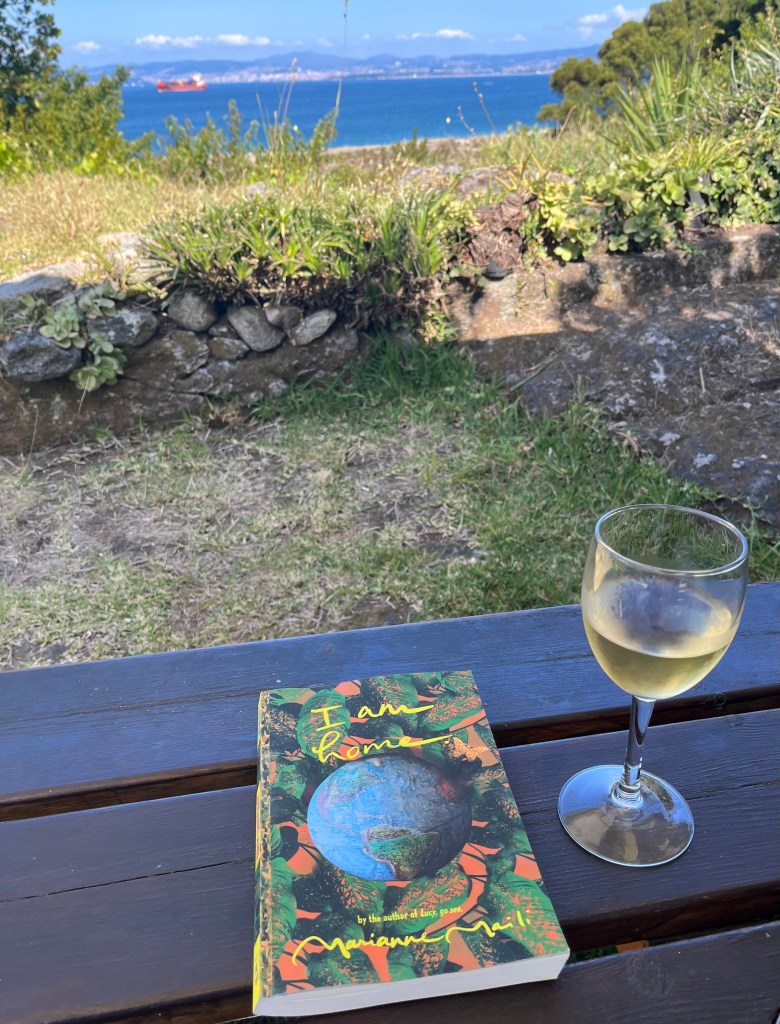
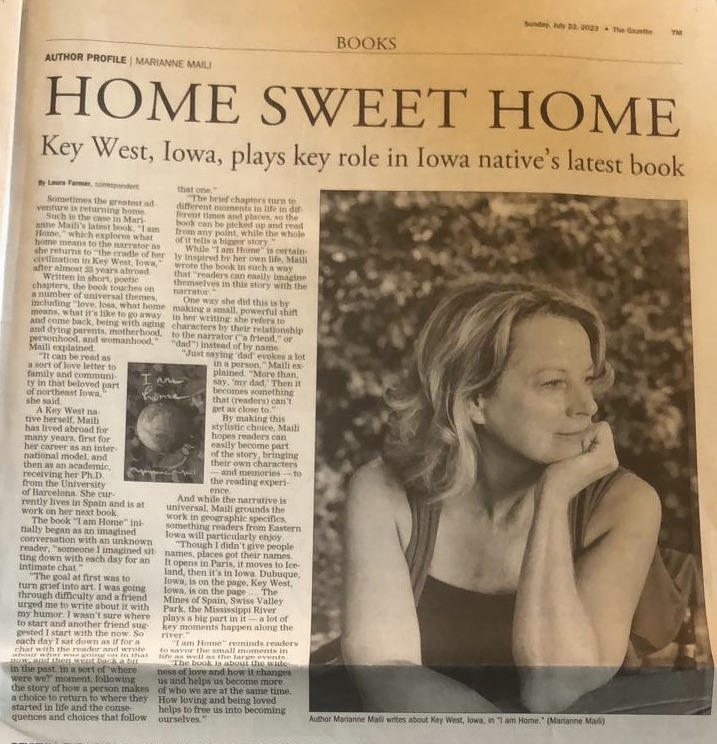
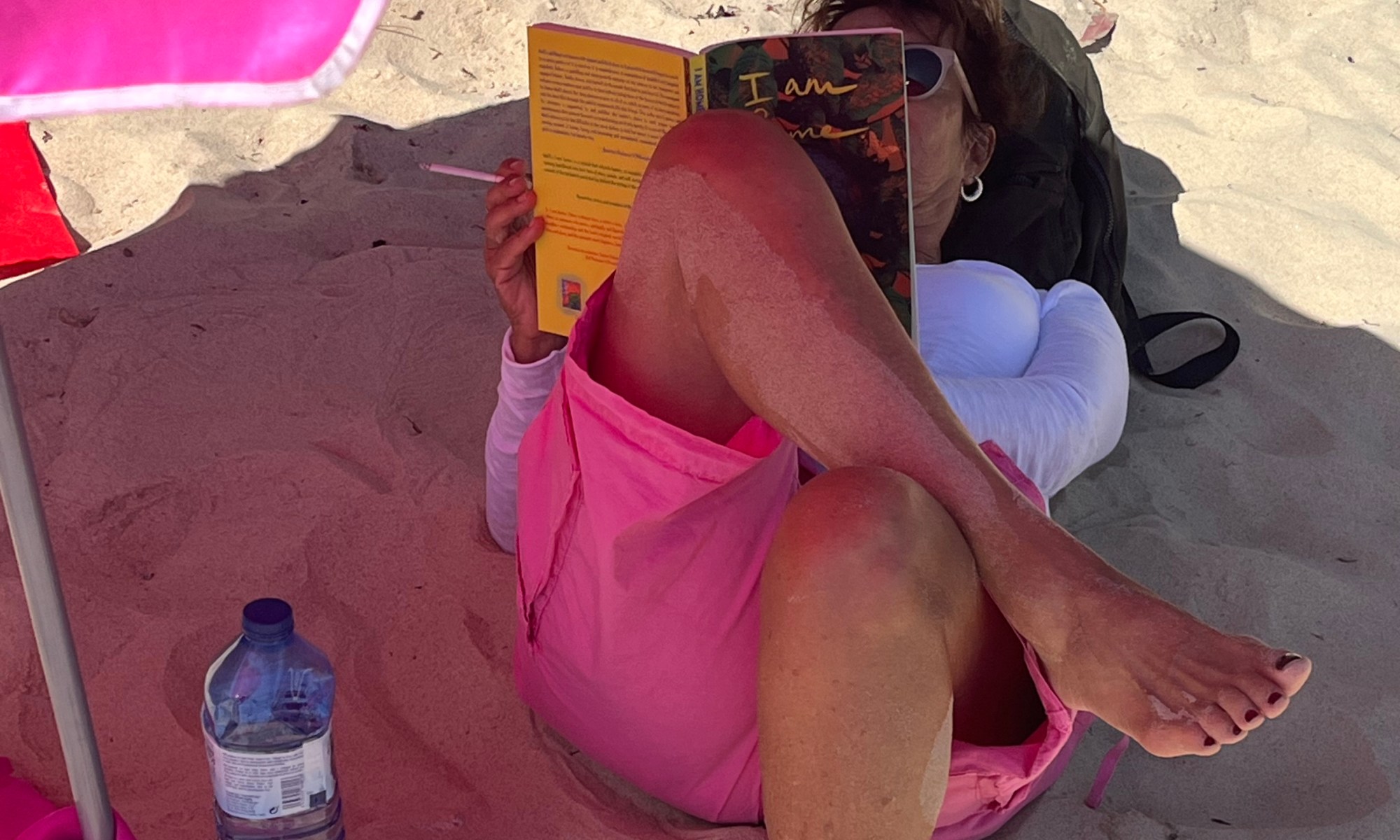
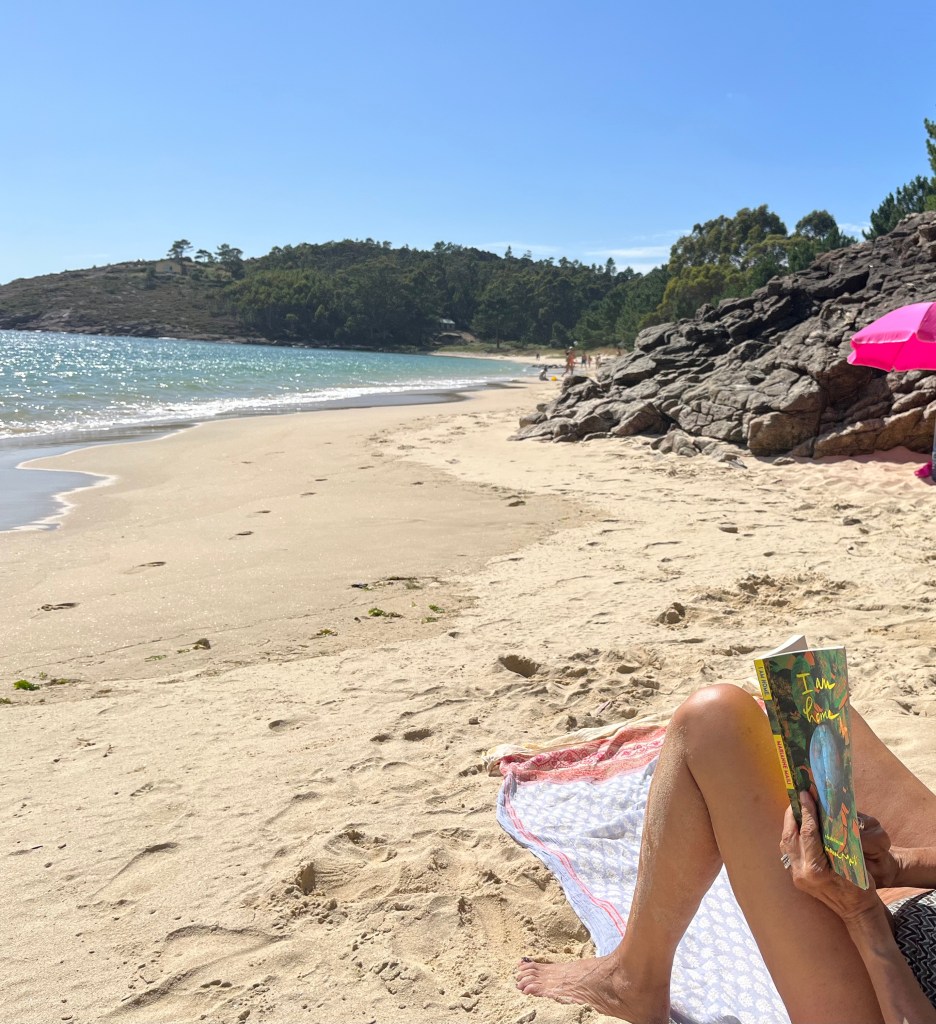
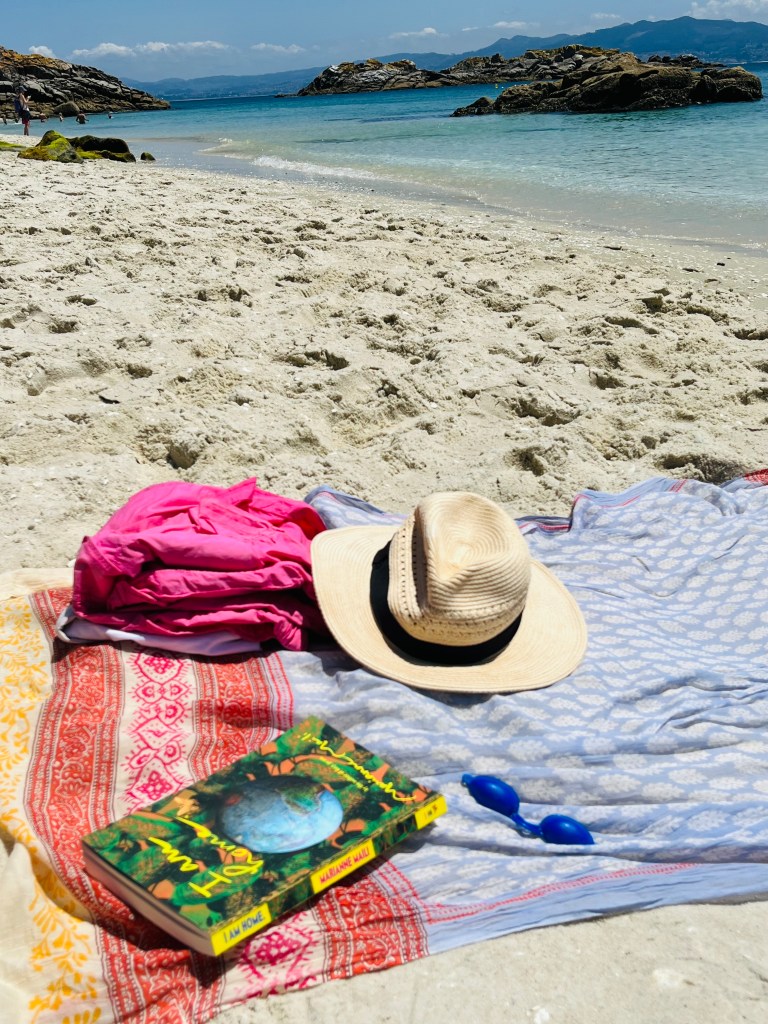
“I loved the book! It was such an easy read. Very authentic and heartfelt. It’s a journey–filled with adventures and challenges–that reminds us home is always in our hearts.
Do you remember when I saw you walking on Grandview years ago? I picked you up and we sat on this porch and had a heart-to-heart talk. You were living at home and working at the Morocco. I encouraged you to get on with your life. Look at you now!” Mary Ann recently texted from Dubuque to Barcelona.
It is life-affirming for me to see her reading I am home., which is filled with my fascination with life, in the same place she consoled and encouraged me when I thought it would never be exciting again. I was 25.
Leaving the theater in tears was the last thing I expected when I walked into a Barcelona theater to watch Barbie this afternoon. It was hot, and I wanted coolness, distraction, and to see what so many are talking about. I played with my sister’s hand-me-down Barbies as a girl though have no memory of great attachment other than wanting to be Malibu Barbie for a while, with a beach house and a convertible. I thought about leaving several times during the first twenty minutes of the movie, when it all seemed too much of a commercial for Mattel and Smeg, too plastic and pink for me (and I like pink), too violent, even, with the girls smashing the baby dolls and all.
Barbie and Ken’s entrance into the real world kept me in my seat and I was waiting for something to impress me and prepared with feminist eyes. And then they filled with tears–about two-thirds of the way in–when Barbie, in the back seat behind the real-world mother and daughter, realizes she crossed the border of Barbieland for the mother instead of the daughter, that it was the mother’s sadness and longing for loving and playful reconnection with her now adolescent daughter that drew Barbie to her. The tears seemed to surprise the woman sitting next to me as she saw me wiping them, then nudged the man next to her and nodded in my direction. Anyway, those tears stayed in my throat, leaking again later while the creator/mother and daughter had a conversation about what it means to be human, the elder female reassuring, encouraging, and uplifting the younger. I ached for my mother and grandmothers, all gone now, as I watched. I ached for female solidarity across generations, for my sisters and female cousins, for my aunts and nieces, all on another continent now. Barbie is a film about motherhood, the motherhood of daughters. It’s about sisterhood, impossible without motherhood. It’s about the creative power of the presence of a strong and vulnerable mother’s voice in a story. It’s about the power of birthing humanity. It contrasts the real and the ideal. It celebrates the birth of personhood. In the end, it is about everyone being at home in the world.
This is why it felt like I am home. and Lucy, go see. This is why I walked to the sea afterward, talking to my mom in heaven, and letting myself have a good cry sitting on the rocks while looking toward France, where my son lives.
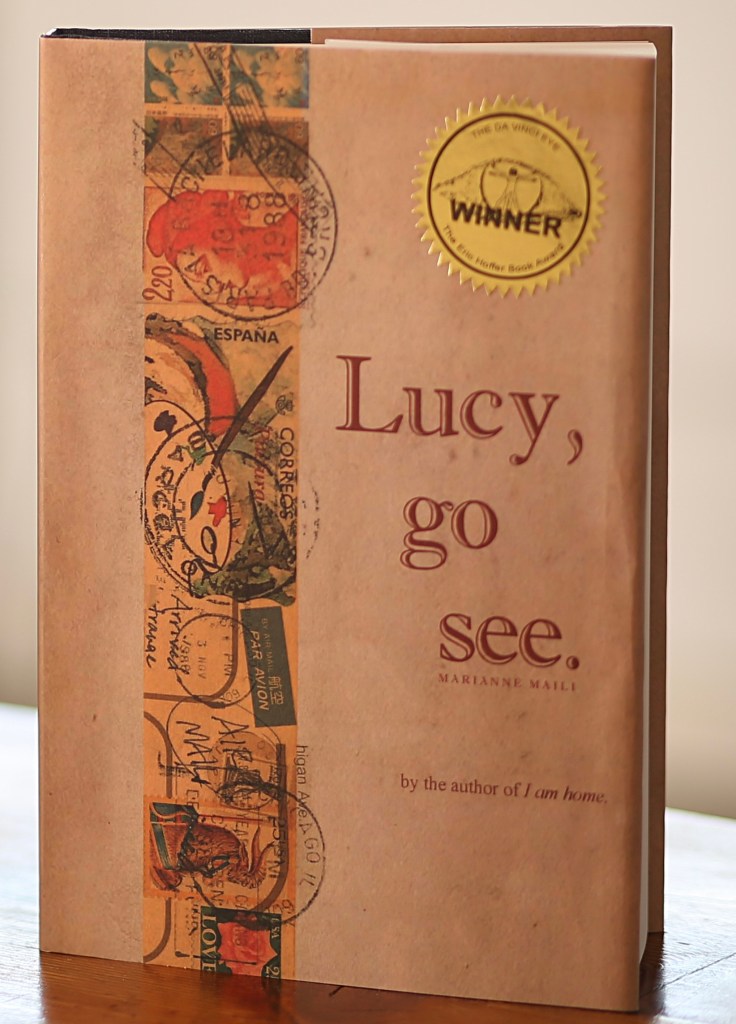
I am thrilled to learn that after reading I am home., people are buying Lucy, go see., now available in a second printing and revised edition. These two books enrich each other, and I think it might be fun to read the second one first, and, if you have already read the first one, come back to it again after reading I am home.
One reader wrote yesterday. “Loving Lucy, go see. it really feels like I’m watching a movie. It’s so fun and the writing is superb. I love the unique metaphors. I don’t want to finish the book, I want to keep reading!”
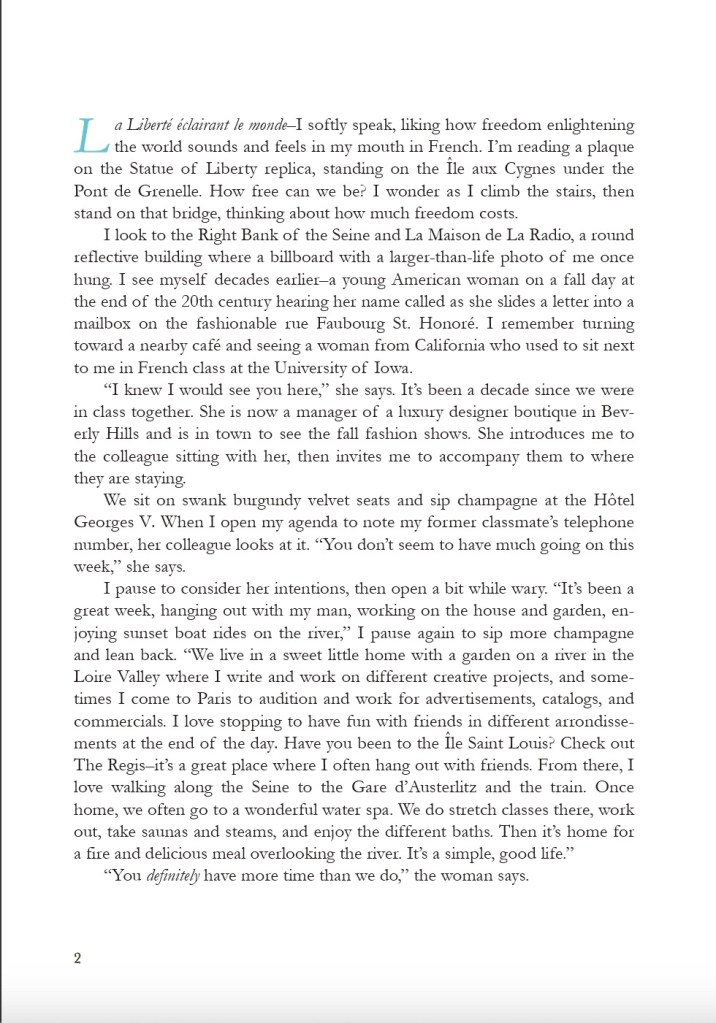
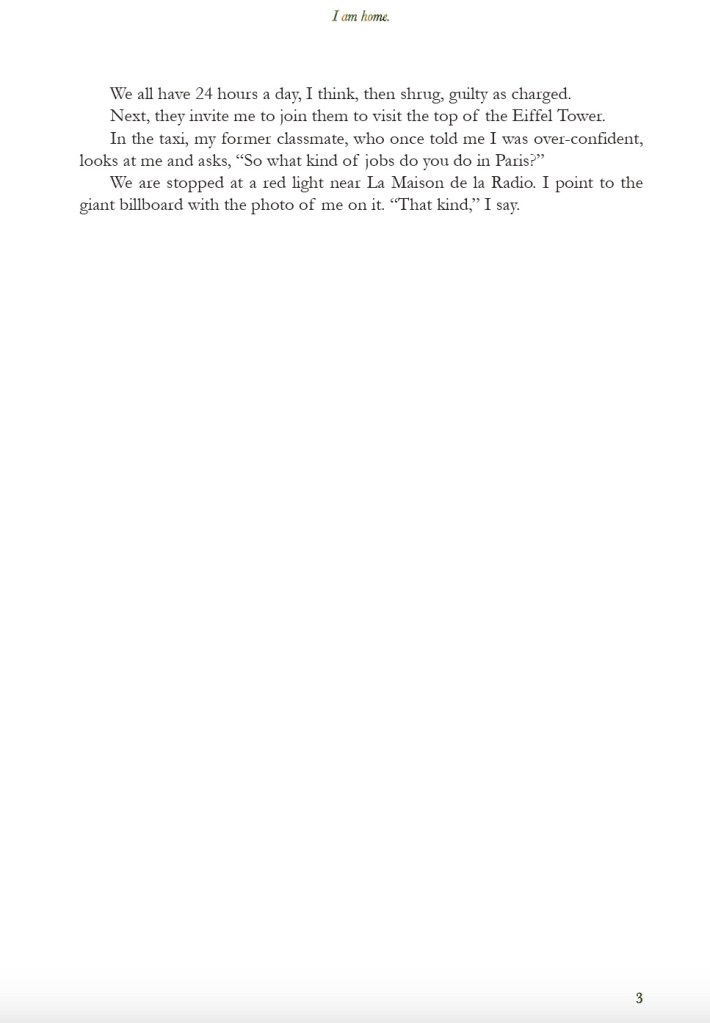
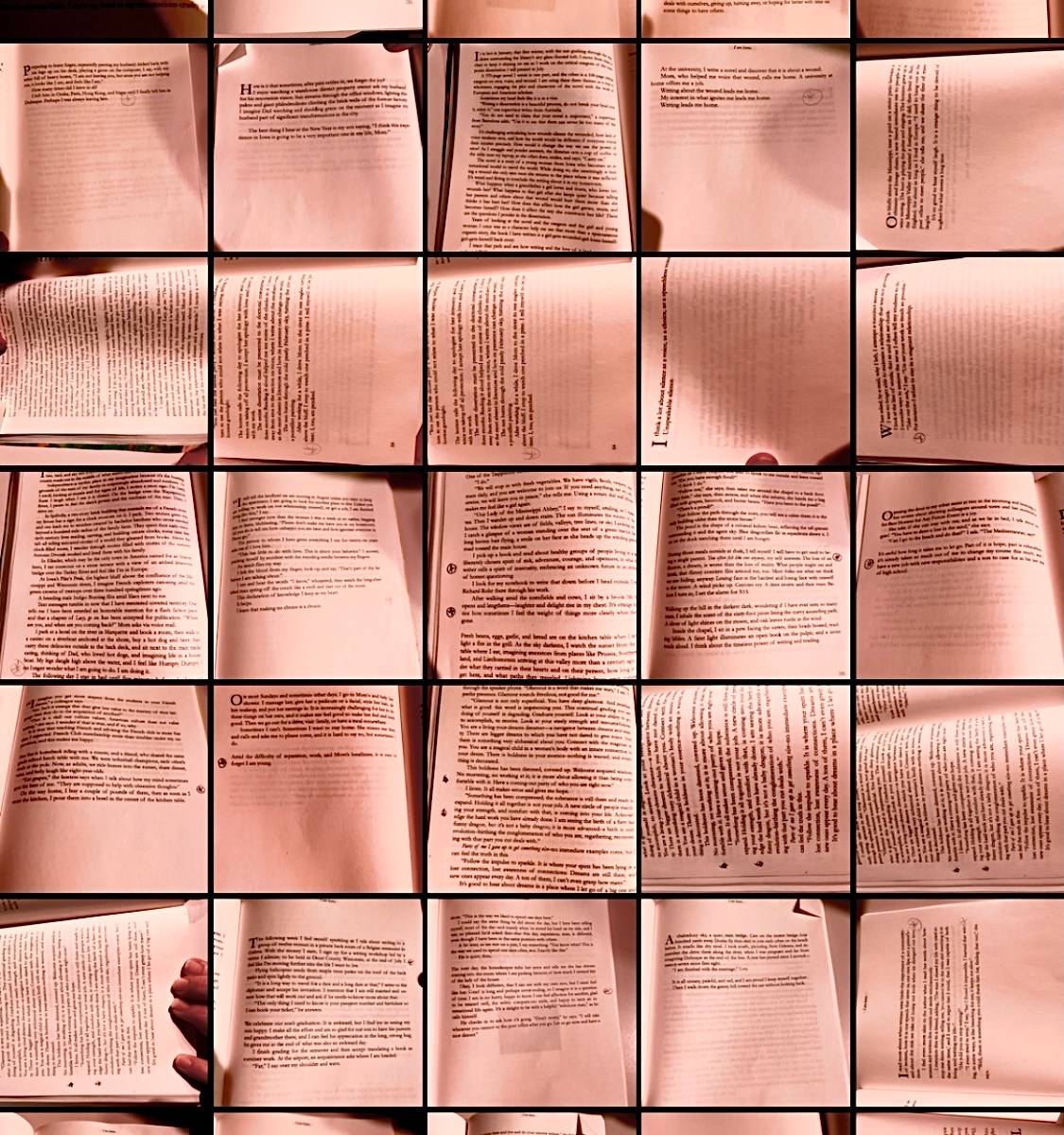
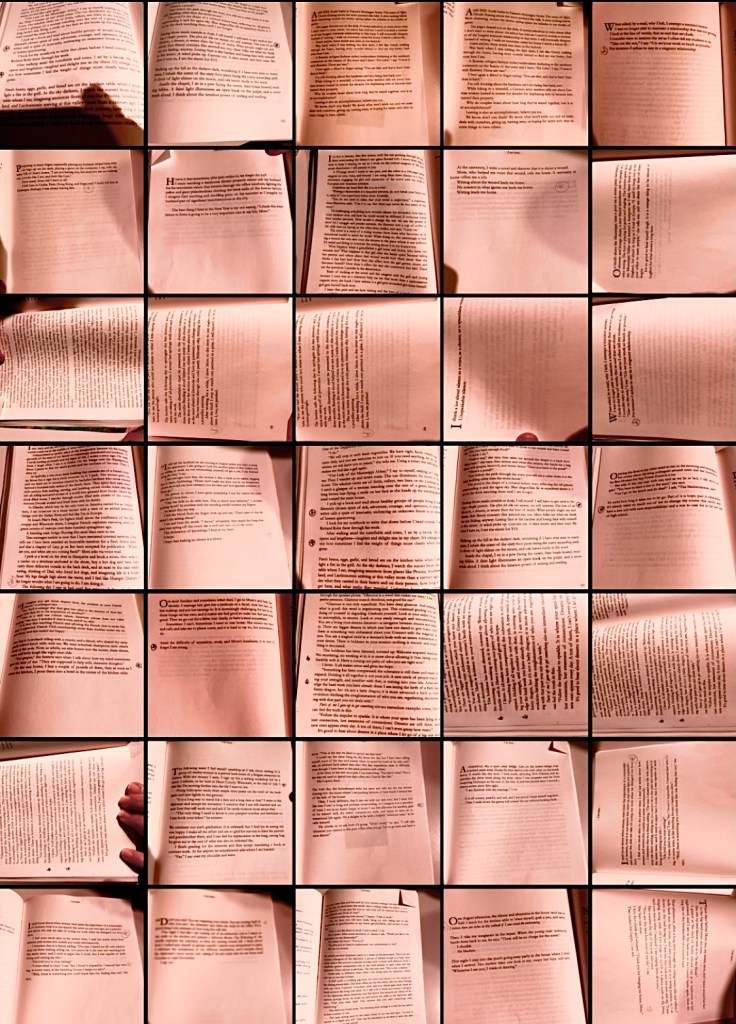
A peek at pages 2 and 3. Imagine me reading these pages in the wee hours in early May at a European Writers’ party in Madrid while accompanied on guitar with French street music. It was the first time I read the book aloud to an audience and it was a joy.
A reader recently met with me and showed me all the asterisks and dog-eared pages in the book marking the places that moved her most. It was delightful to find that many of the sentences I had struggled with were in that group.
You can probably imagine my pleasure in reading this later: “I am home. is a book about searching and connecting with yourself, with loss, with love, with who you are and who you want to be, through life experiences and change. In I am home., this path is seldom straightforward, much like the author’s discourse, which gently goes back and forth in time in a way that seems almost unconscious, much like our thoughts, and our emotions. In this search for home, the author’s voice comes through as genuine and honest where self-respect and dignity are non-negotiable conditions of this search.
I thoroughly enjoyed I am home. Maili’s writing is uplifting and insightful. It’s inspirational.”
Uncamino is a way and camino is also the first person present for walking in the Spanish language. So to say Camino. is to say I walk. El camino is to say the way.
Camino el camino. is to say I walk the way. What way? There are many.
Following Robert Frost’s adage about how way leads to way is a way to live. The narrator of I am home. lives like this.
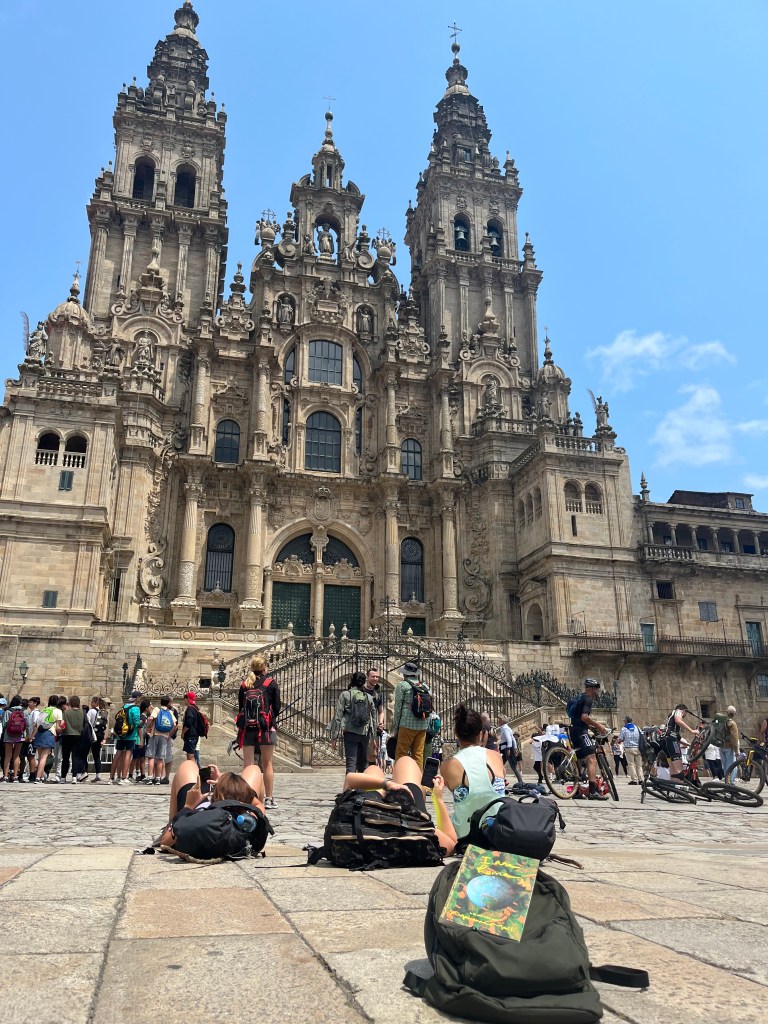
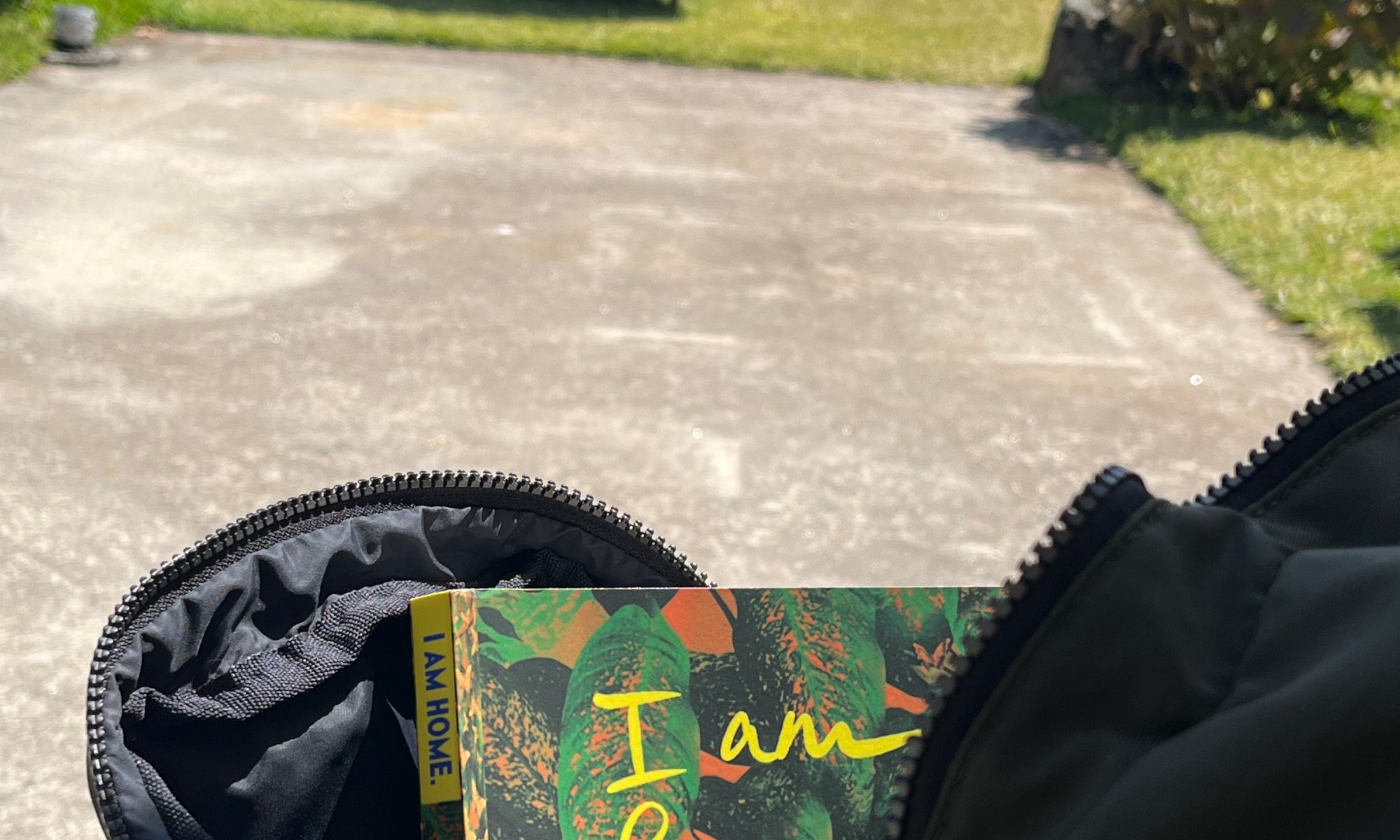
I love seeing the book resting with other pilgrims in Santiago de Compostela after a lot of walking. This reader thinks “It’s a great book to accompany a pilgrimage and walking journey because it is a book about the many ways that lead us home. And the camino that leads us there is love.”
Today marks a decade since I earned a PhD from the University of Barcelona. Oh, happy day! It feels good to be here in this city of my heart and soul again to celebrate all of the life before, during, and since that moment.
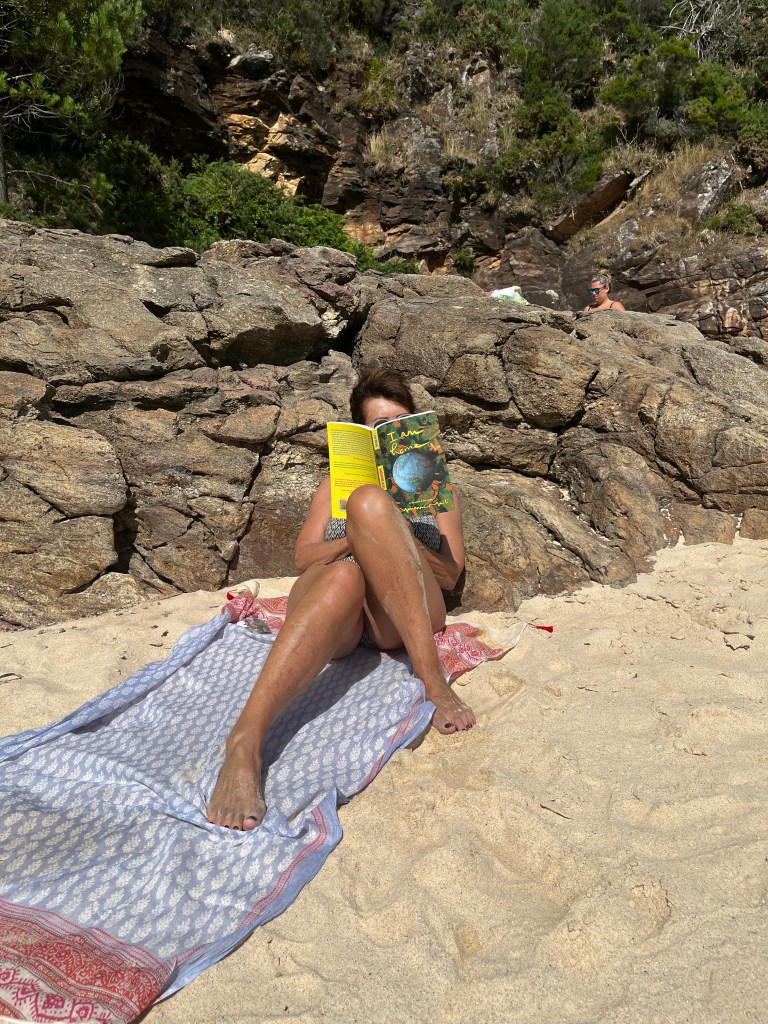
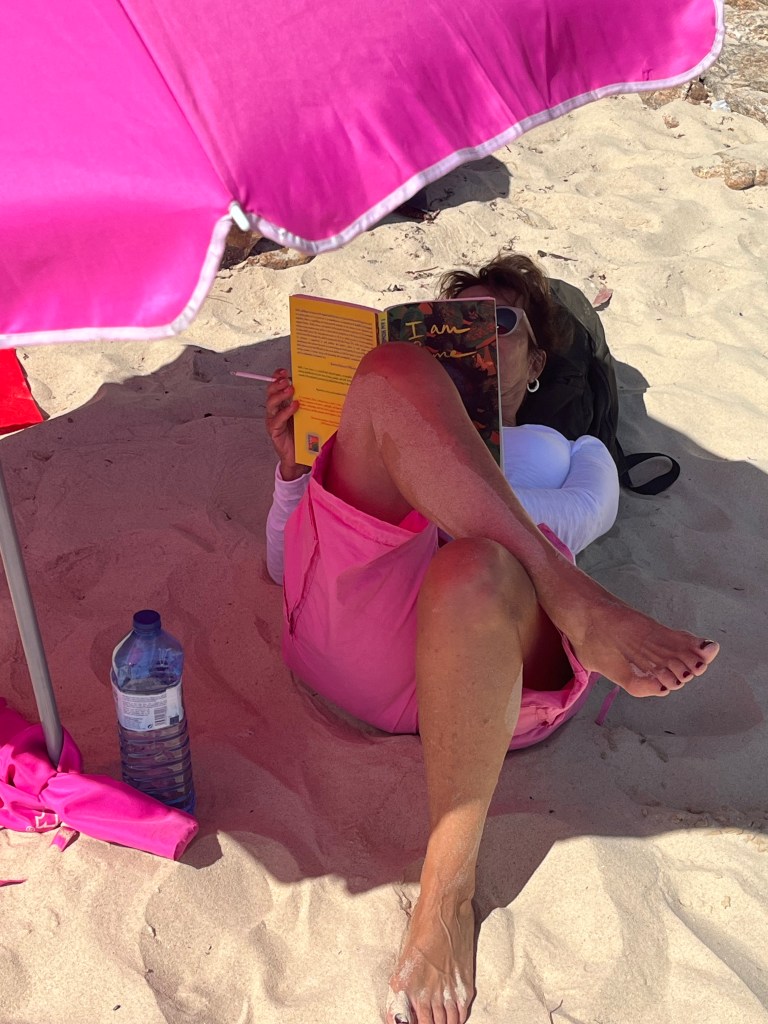
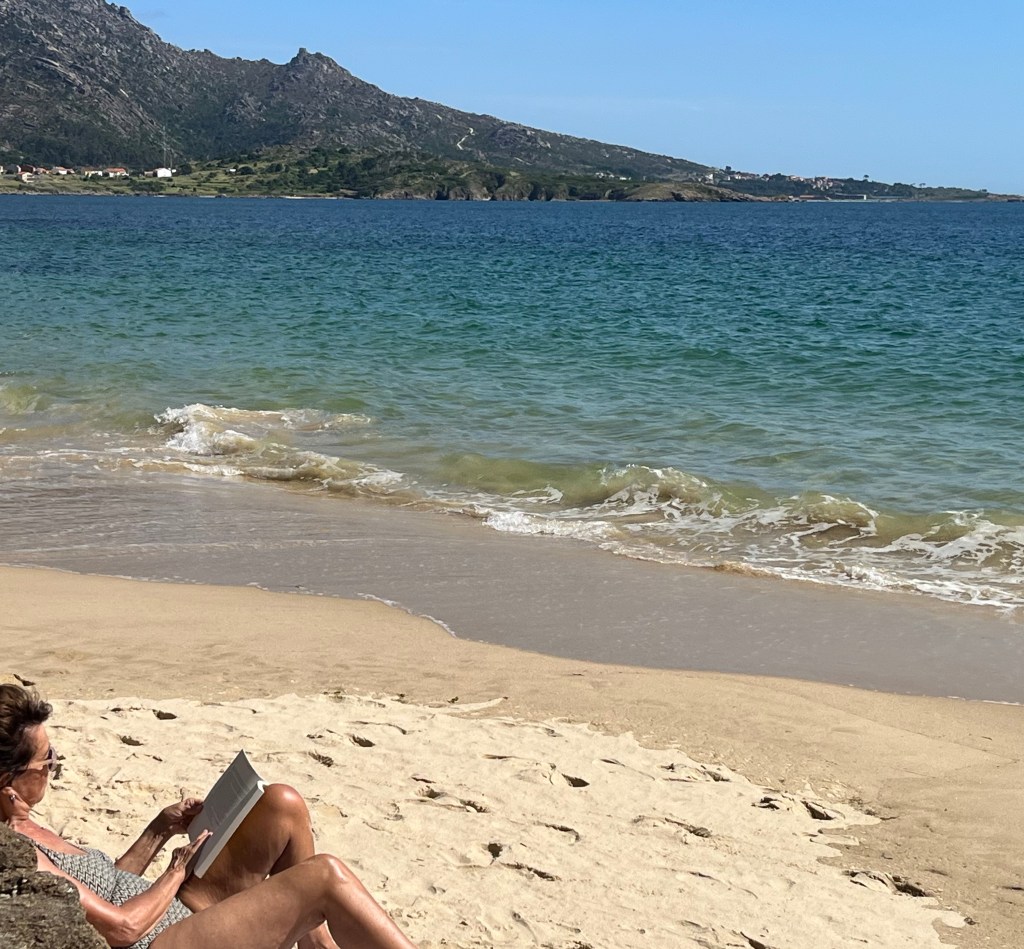
Reading is sexy. Just do it. In places like this. it’s lovely to watch someone read. “El problema es cuando cojo tu libro, no puedo dejarlo,” this reader told me. In other words, “The problem is that when I pick up your book, I can’t put it down.”